Five Restoration Habits That Save Time, Money, and Original Parts
A successful classic-car restoration is rarely decided by a single expensive tool or a dramatic weekend of work. It is usually the result of small, repeatable habits that protect original components and prevent avoidable rework. Here are five practices worth adopting before the next part comes off the car.
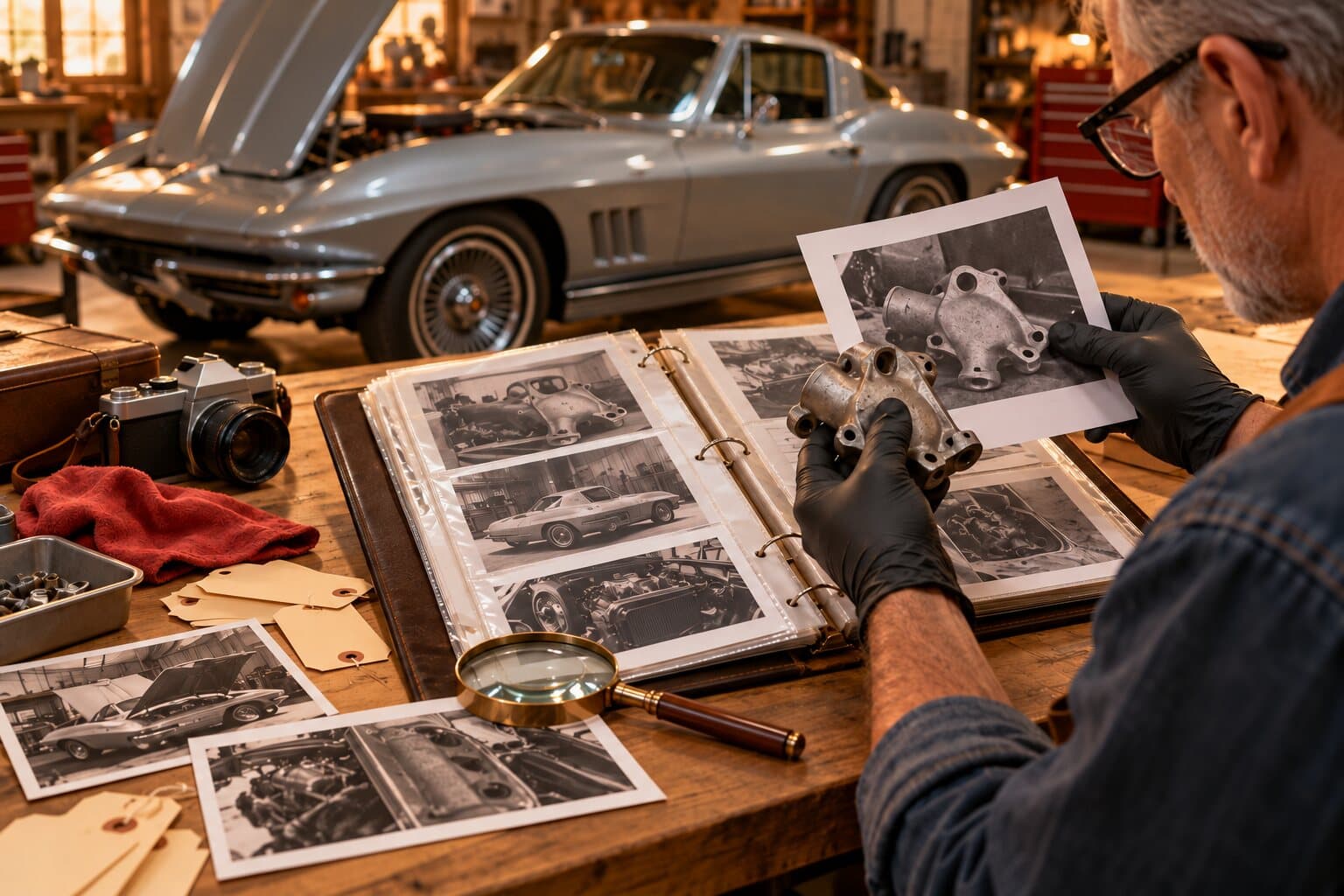
1. Photograph everything before disassembly
Take wide photographs to establish context, then close-ups of wiring routes, fastener locations, shims, clips, and the way trim overlaps nearby panels. Add a ruler or a label where dimensions or orientation could be confusing later. Save the images in folders by assembly rather than relying on a camera roll.
2. Bag, label, and inventory original hardware
One labeled bag per assembly sounds simple, but it can save hours. Record which bolts were shouldered, which washers were unusual, and where factory shims were installed. Even if hardware will eventually be replaced, keeping originals as patterns helps avoid incorrect lengths, threads, and finishes.
3. Test-fit before final paint or plating
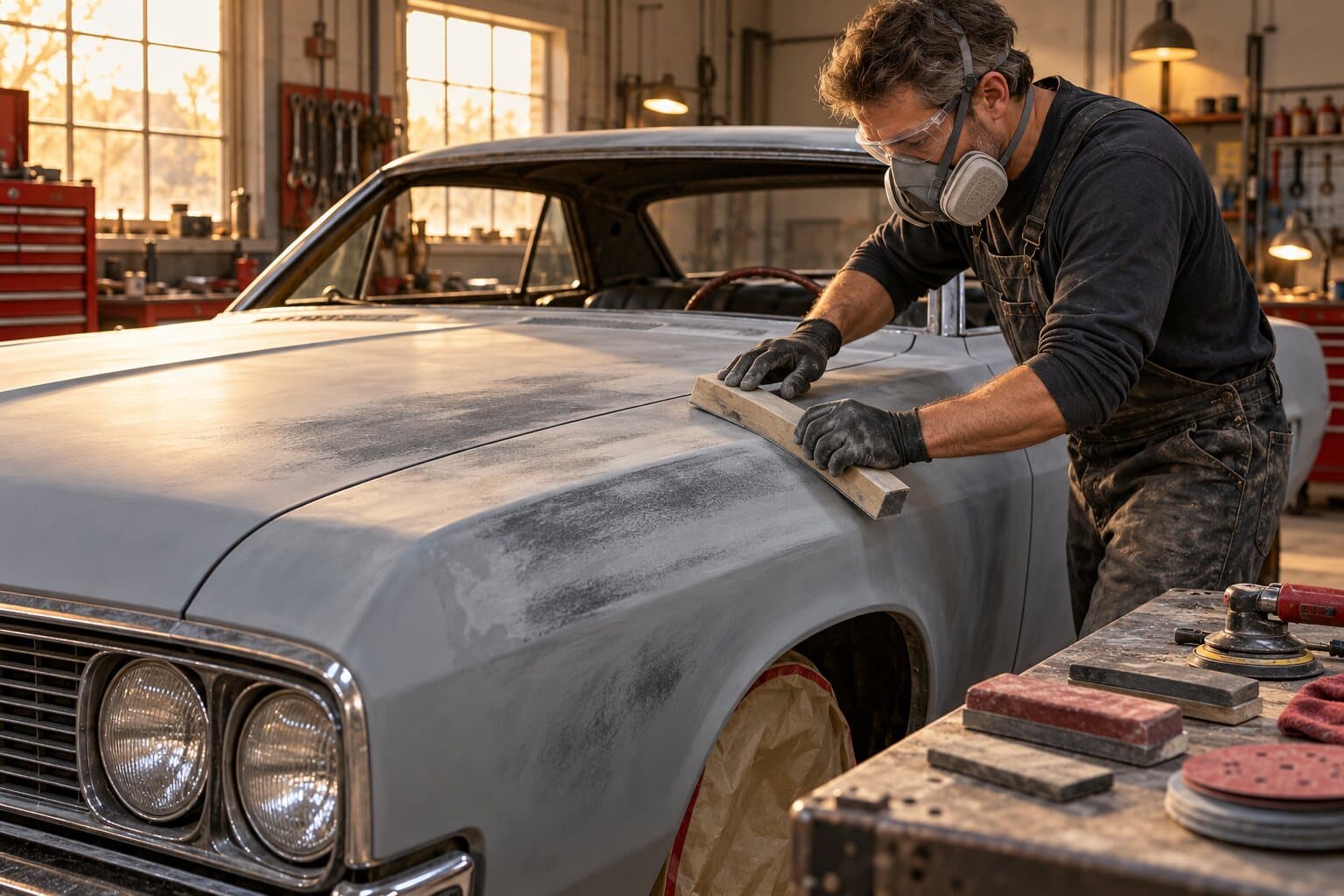
Doors, hood, bumpers, glass hardware, trim, and weatherstripping can all affect alignment. Assemble and adjust as much as practical during the mock-up stage. Protect finished surfaces, never force a tight panel, and document shim locations once the fit is right. Correcting gaps before paint is far less expensive than correcting them afterward.
4. Diagnose first and order parts second
A dim headlamp does not automatically mean the lamp is bad; a poor connection or voltage drop may be responsible. The same principle applies to mechanical issues. Confirm symptoms with measurements, service information, and inspection before replacing original components that might still be serviceable. Disconnect the battery before working on exposed wiring.
5. Preserve evidence of how the car was built
Factory markings, fastener styles, old paint layers, upholstery remnants, and original routing details can all tell a story. Photograph them before cleaning or refinishing. Decide early whether the goal is preservation, a historically faithful restoration, or a practical driver, and keep those choices consistent throughout the project.
A better restoration starts with a better process
Progress is not measured only by the number of new parts installed. When each assembly is documented, checked, and thoughtfully reinstalled, the finished car tends to be more reliable, easier to maintain, and more authentic. At Fitzgerald Classics, that careful approach is part of what makes working on these cars rewarding.