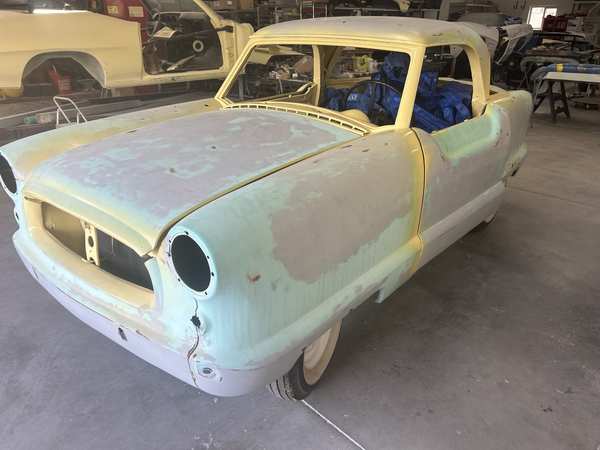
1957 Nash Metropolitan — Restoration in Progress
Purchased as a remarkably solid but unfinished 1957 Nash Metropolitan, this project is being completed with a simple philosophy: preserve the character of the car, correct what matters, and invest where the finished result will have the greatest impact. This living project follows the restoration from its as-acquired condition and mechanical foundation through body preparation, interior work, electrical sorting, paint, trim, final assembly and road testing.
Paint milestone — October 2026: Following the four coats of white applied on October 10, the white sections were carefully masked and the prepared upper body and hood received their yellow color. The latest photo sequence follows the car from primer and final masking through freshly applied yellow paint to the reveal of its yellow-and-white finish. Reflections across the panels capture the gloss, while the two-tone layout brings the Metropolitan's distinctive curves back into focus.
Current status: The yellow-and-white paint is now applied, marking a major step toward the finished car. The restoration continues with paint finishing as needed, glass, lights, trim and hood-ornament installation, upholstery, final assembly and road testing. The hood ornament has already been test-fitted for alignment, and the original bench-seat frame has been sandblasted, powder coated in satin black and reassembled, ready for upholstery.
Updated October 12, 2026. Preserving Americana, one car at a time.
THE VISION
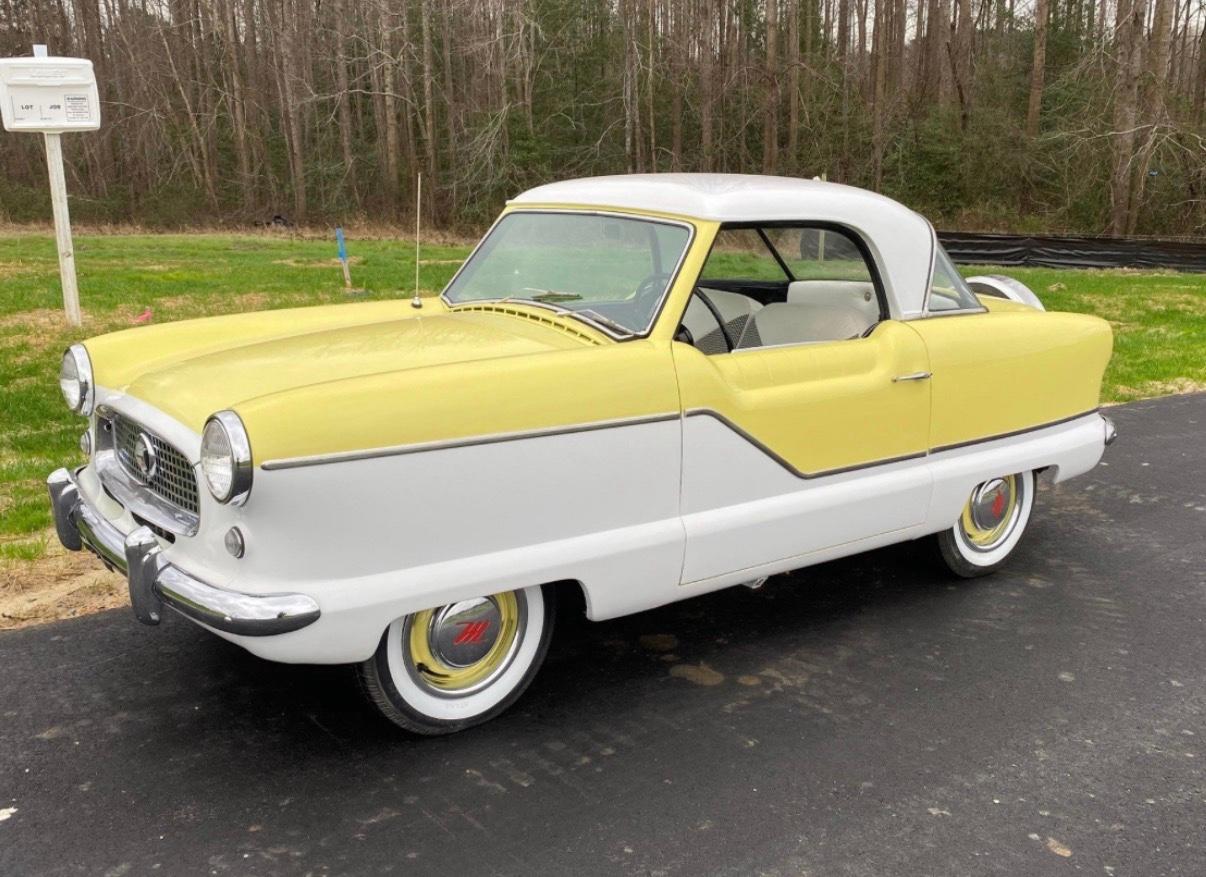
This completed Nash Metropolitan, finished in the same yellow-and-white combination planned for our car, represents the visual direction for this restoration. It is shown here as inspiration only—not as the finished Fitzgerald Classics project.
The Starting Point
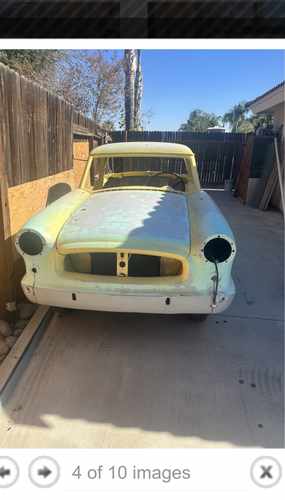
The Metropolitan entered the Fitzgerald Classics project as a remarkably complete little car with strong restoration potential. The goal from the outset was a high-quality driver—preserving its unmistakable character while making thoughtful improvements where they mattered most.
Interior — A Solid Foundation
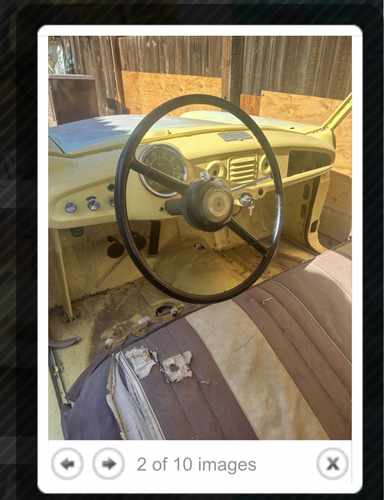
The interior was documented early in the project so the restoration could preserve the Metropolitan’s simple mid-century character while identifying the areas that would benefit most from refinishing and replacement.
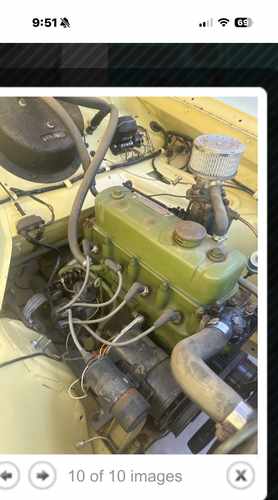
Rebuilt 1500cc Engine
The rebuilt 1500cc engine gave the project a valuable head start, allowing much of the restoration effort to focus on presentation, reliability and finishing work.
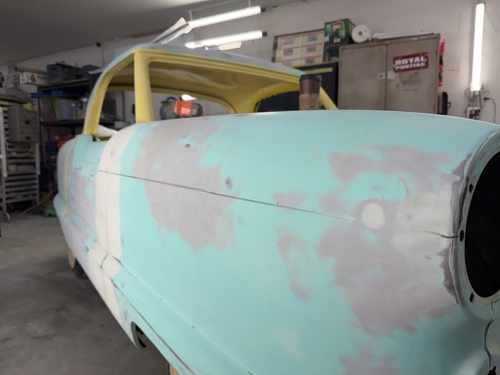
Establishing the Body Line
The long side character line was carefully laid out during body preparation to ensure the eventual two-tone finish follows the Metropolitan’s distinctive proportions and creates the right visual break between the yellow and white paint.
Current Status — September 2026
Bodywork is well underway, with the car stripped for correction and preparation before its planned period-inspired yellow-and-white final finish.
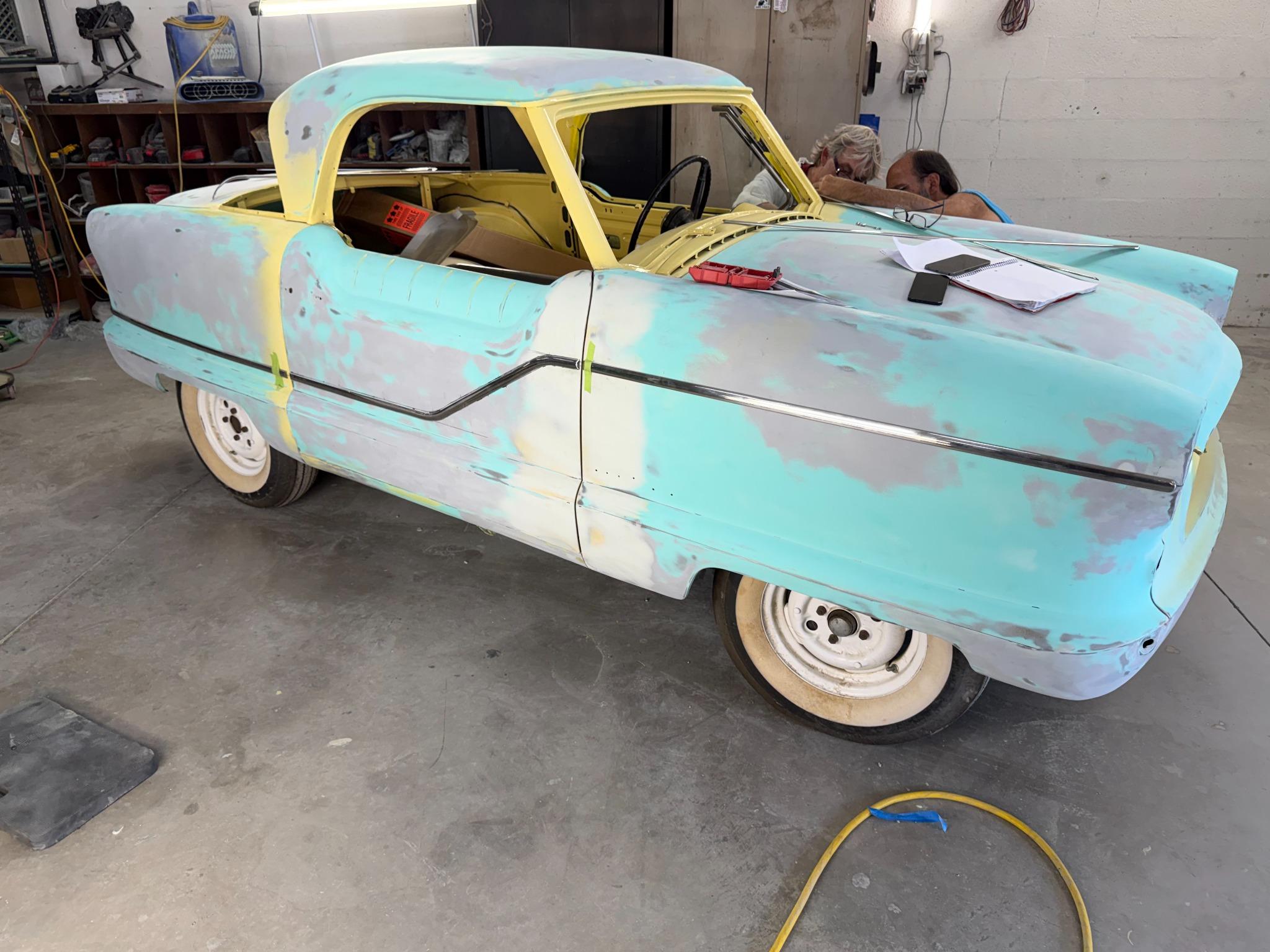
Test-Fitting the Side Trim
Before drilling the new trim mounting holes and committing to the final two-tone paint break, the new side trim was temporarily installed to verify fit, establish the correct mounting-hole locations, confirm that the molding aligned properly along the body, and determine exactly where the paint line should fall.
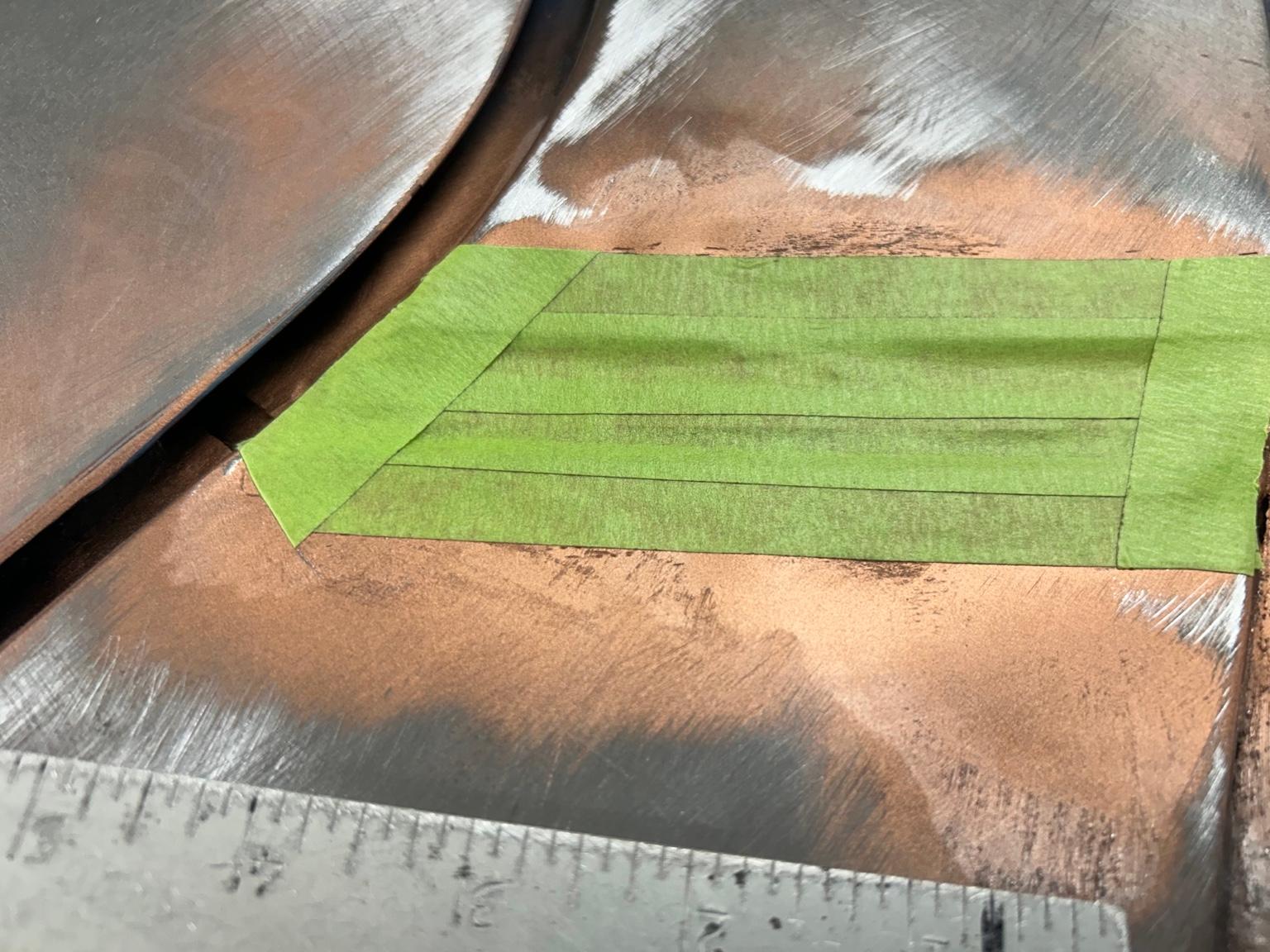
Paint-line layout and bodywork detail
Careful layout work establishes the body detail before final surface preparation.
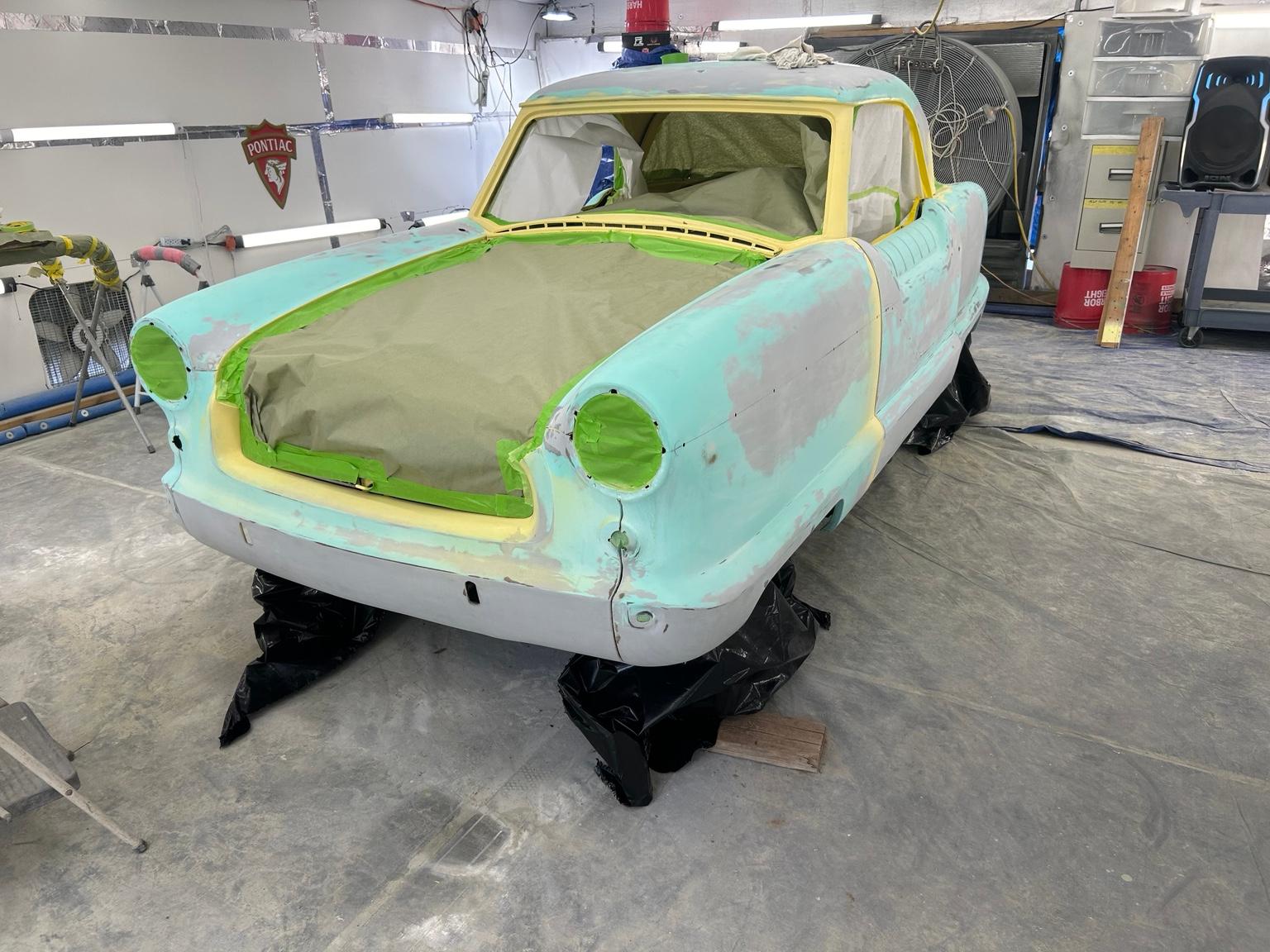
Final body preparation
The Metropolitan is masked and the body is worked panel by panel in preparation for primer.
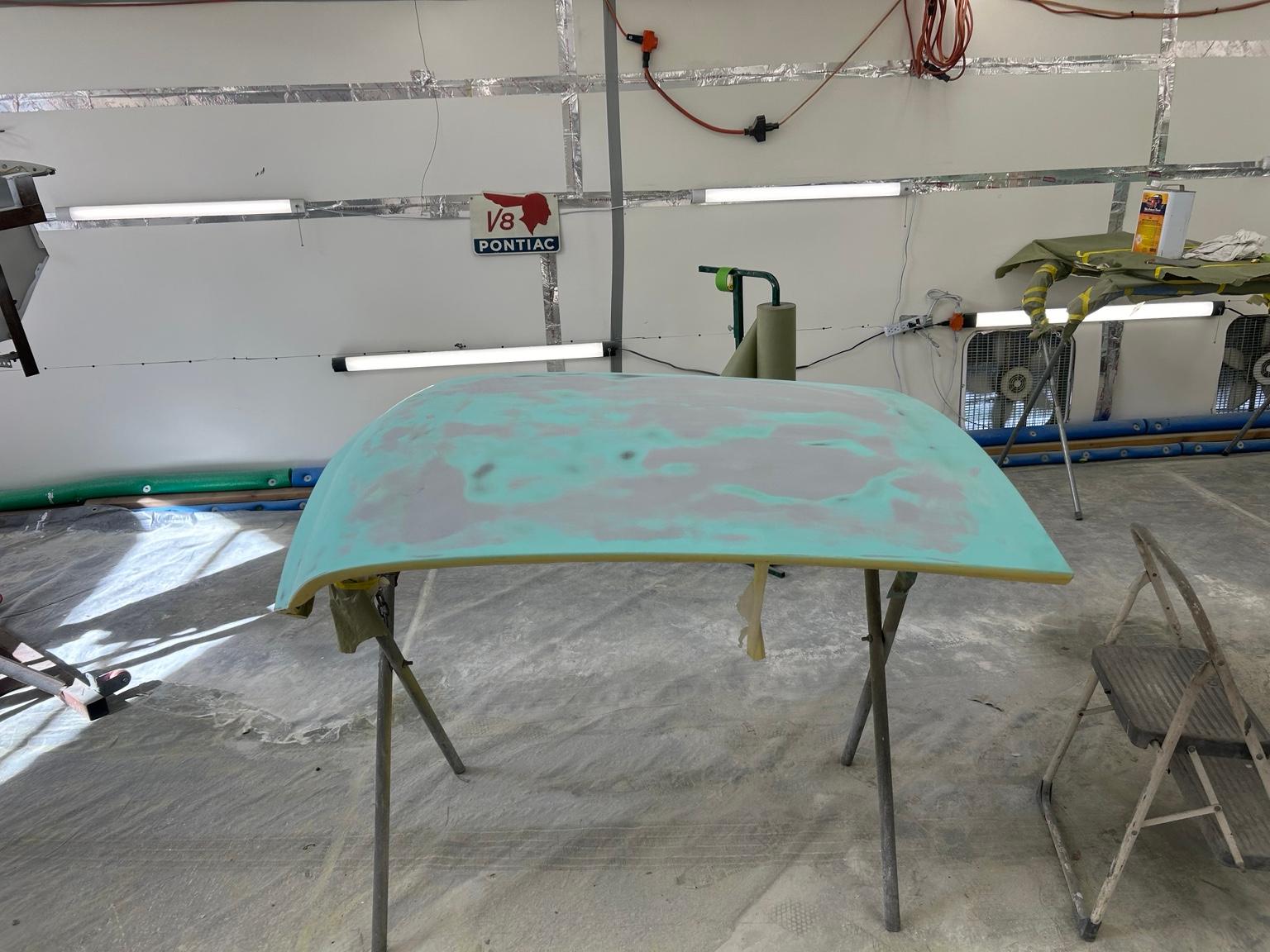
Hood preparation
The hood is block-sanded and corrected to create a smooth, consistent surface.
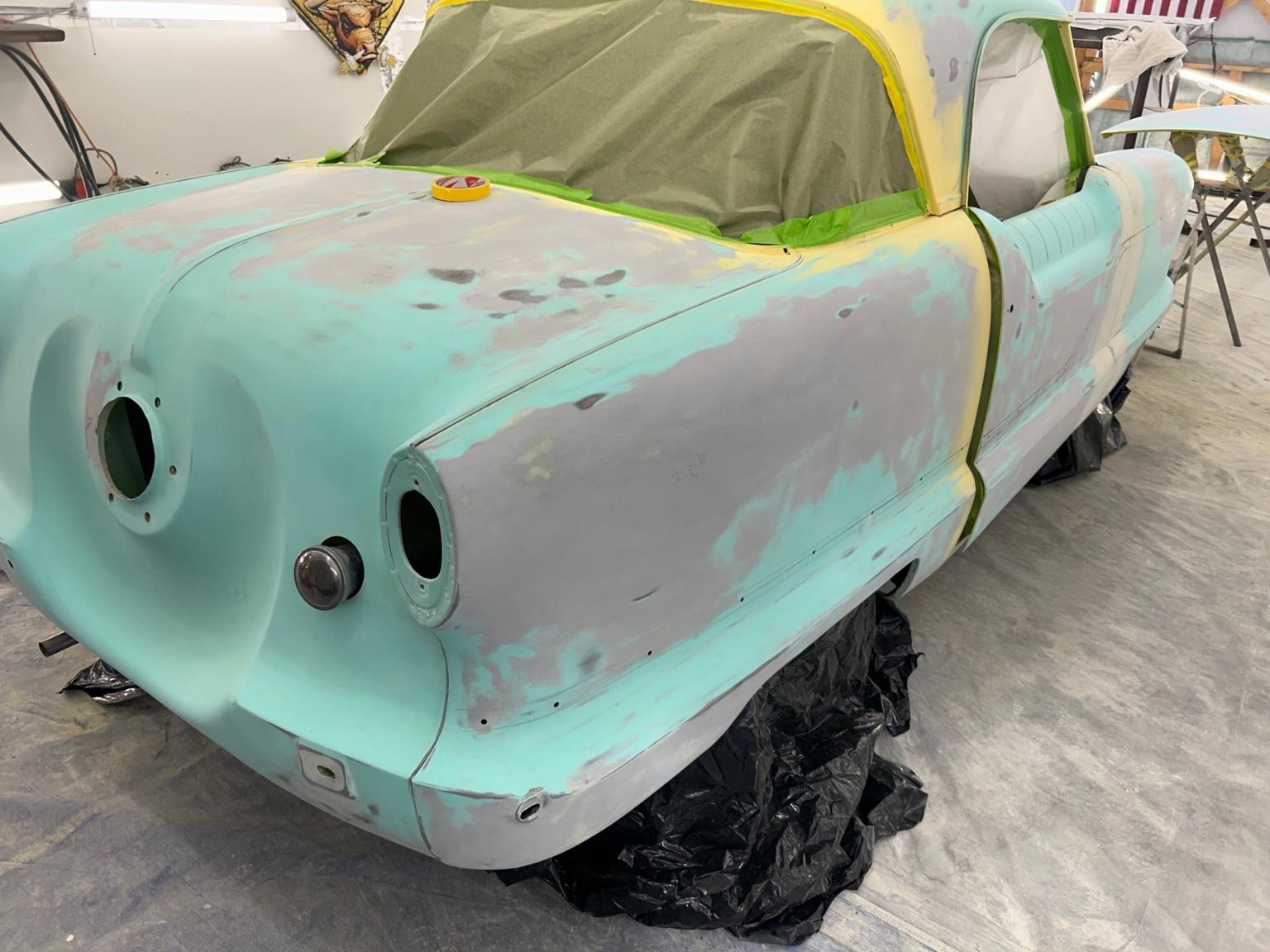
Bodywork refinement
Additional sanding and surface correction continue across the front and side panels.
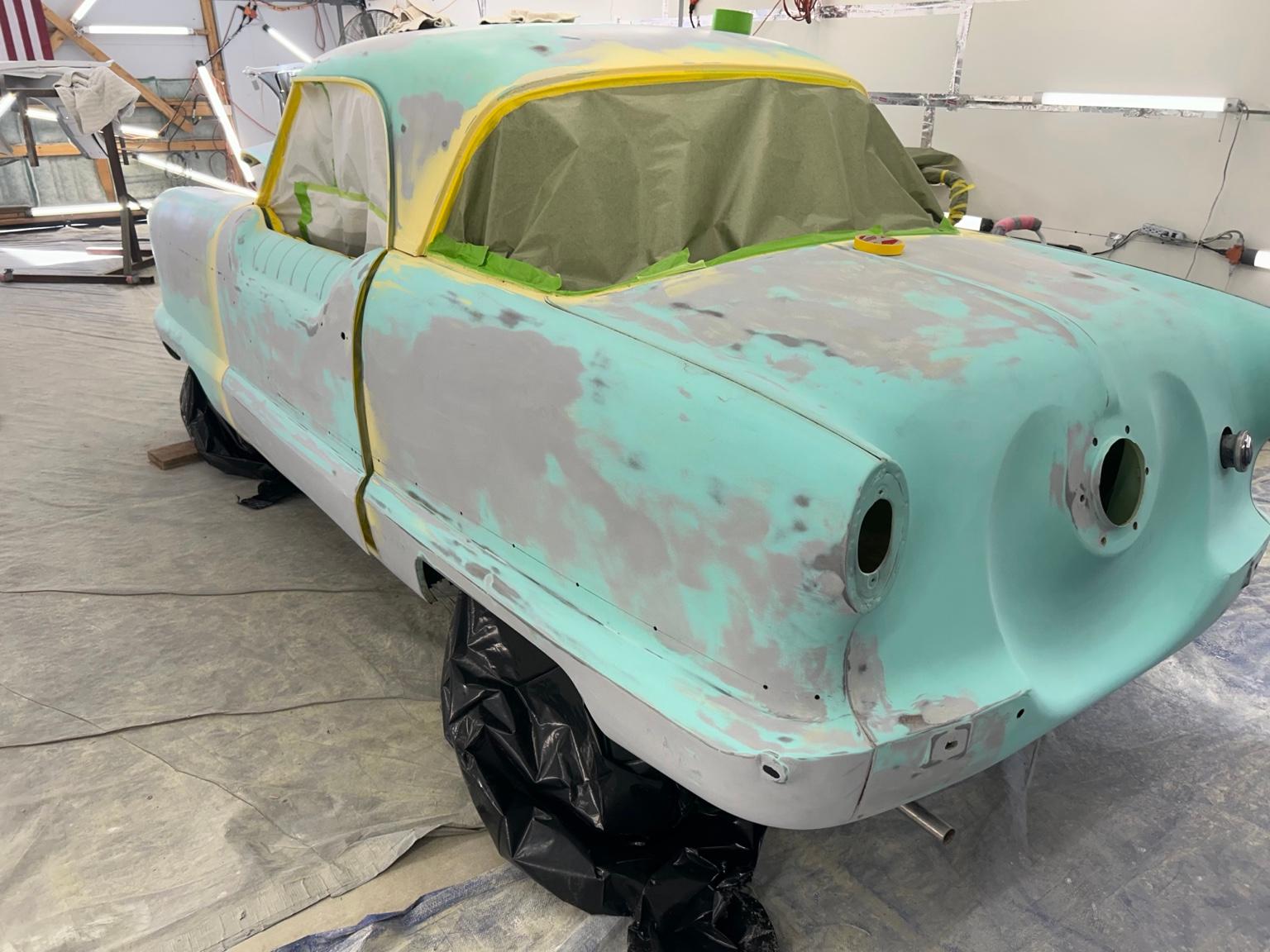
Bodywork refinement
The opposite side receives the same detailed sanding and surface preparation.
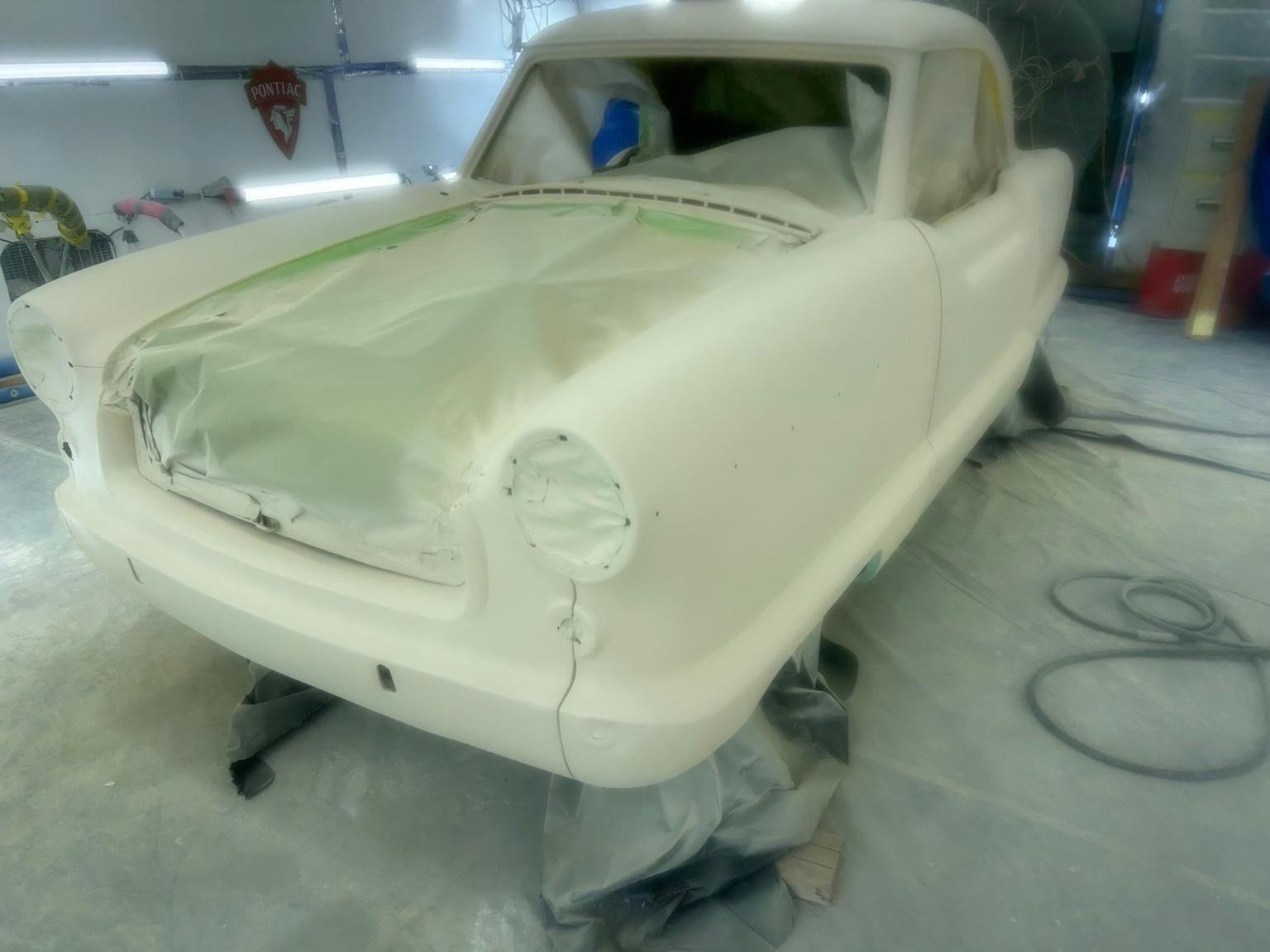
Primer stage begins
With the bodywork complete, the Metropolitan receives its first uniform primer coat.
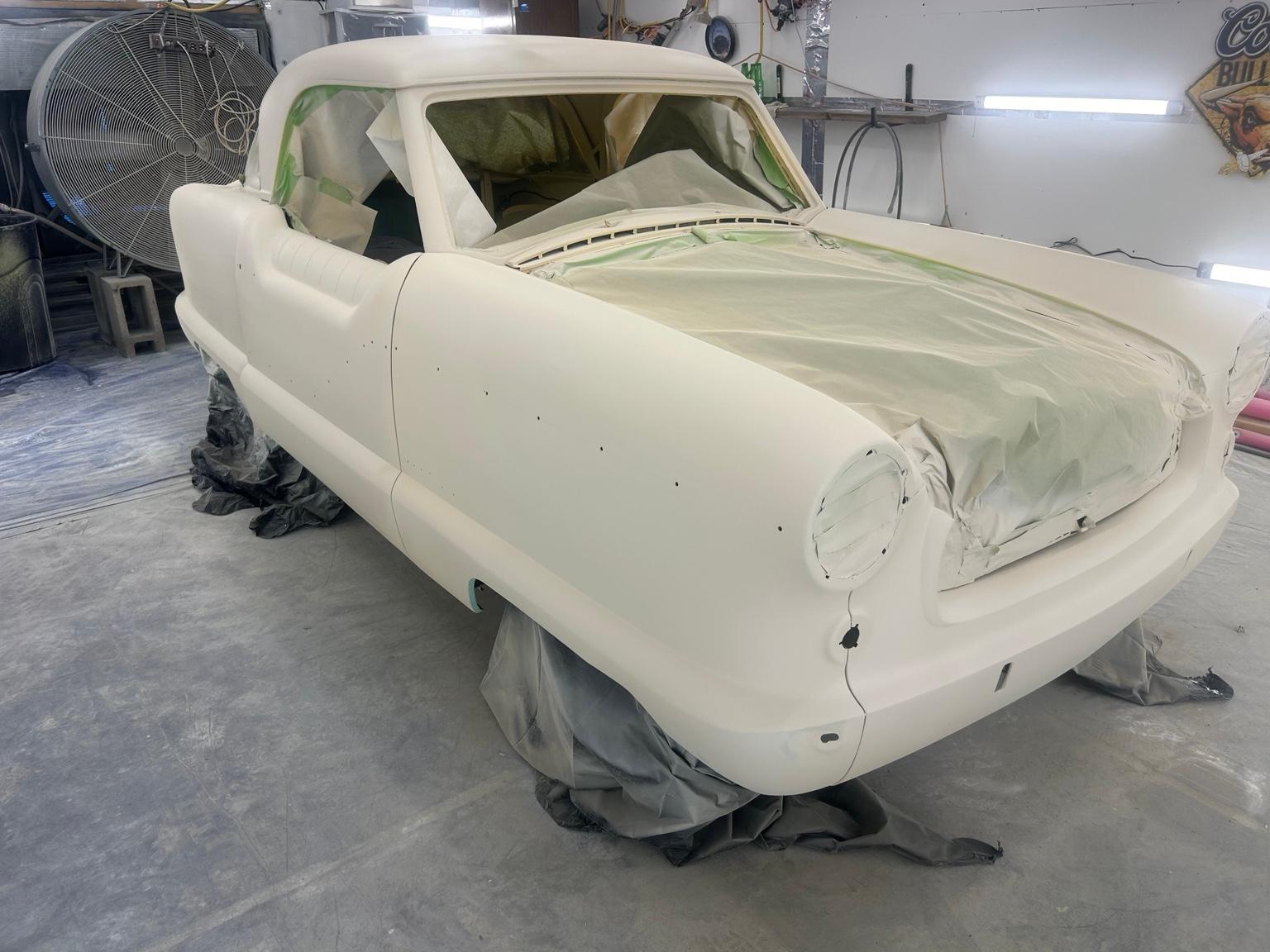
Body in primer
Primer reveals the clean body lines and provides a consistent foundation for the final finish.
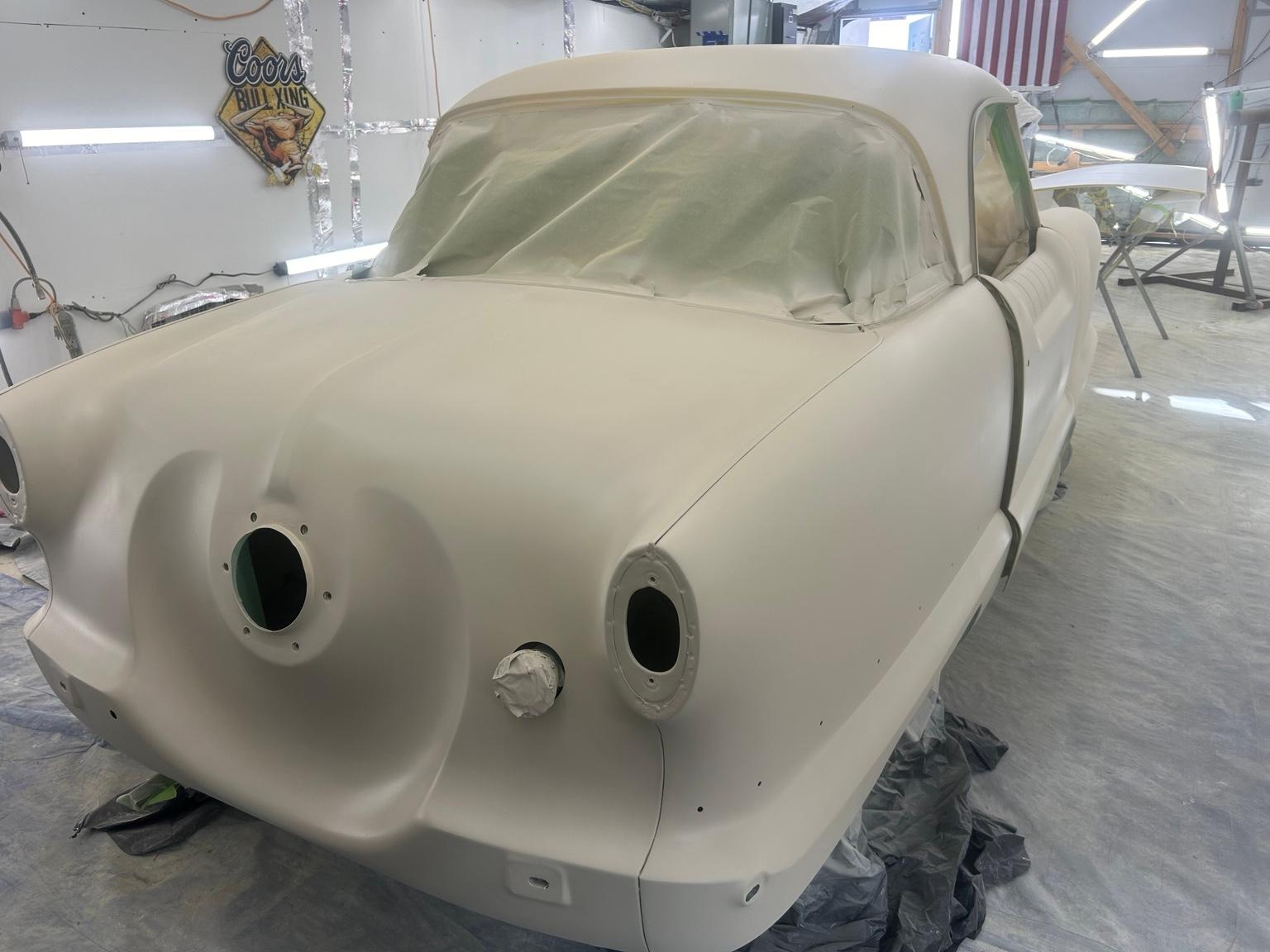
Body in primer
The rear-quarter view shows the body fully unified in primer after extensive preparation.
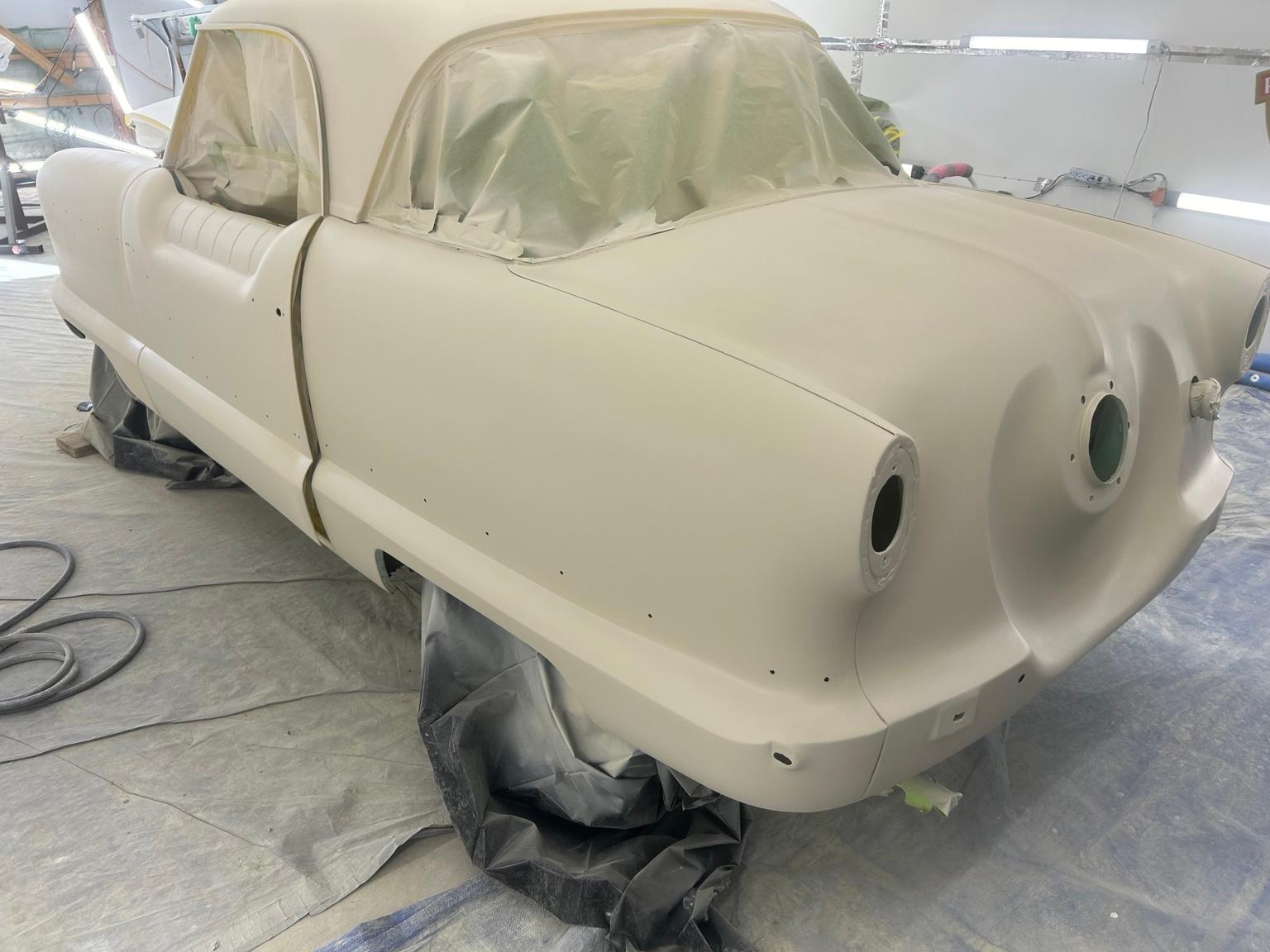
Primer preparation complete
The Metropolitan is now uniformly prepared from nose to tail for the next finishing stages.
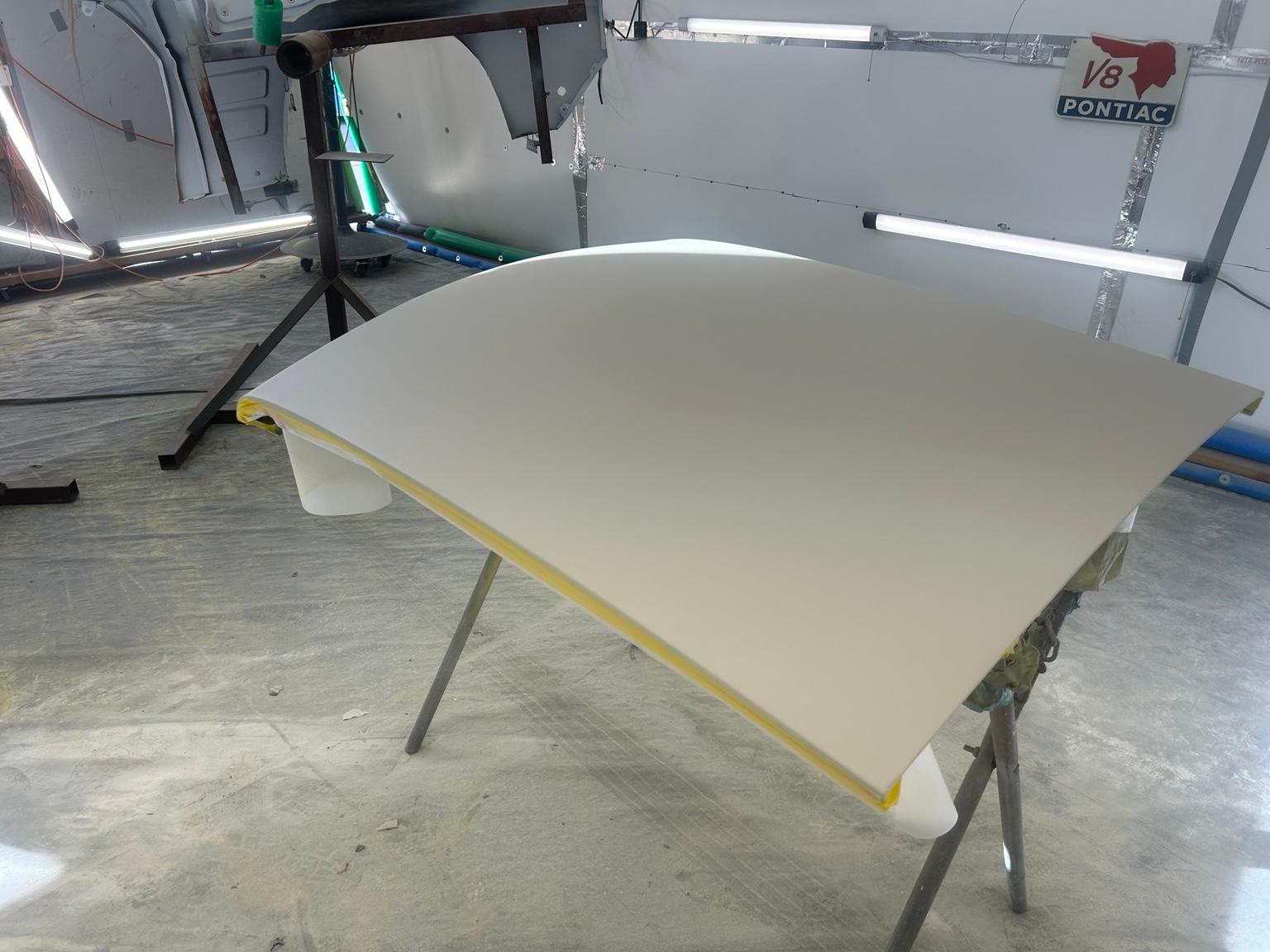
Hood in primer
The separately prepared hood receives the same uniform primer finish.
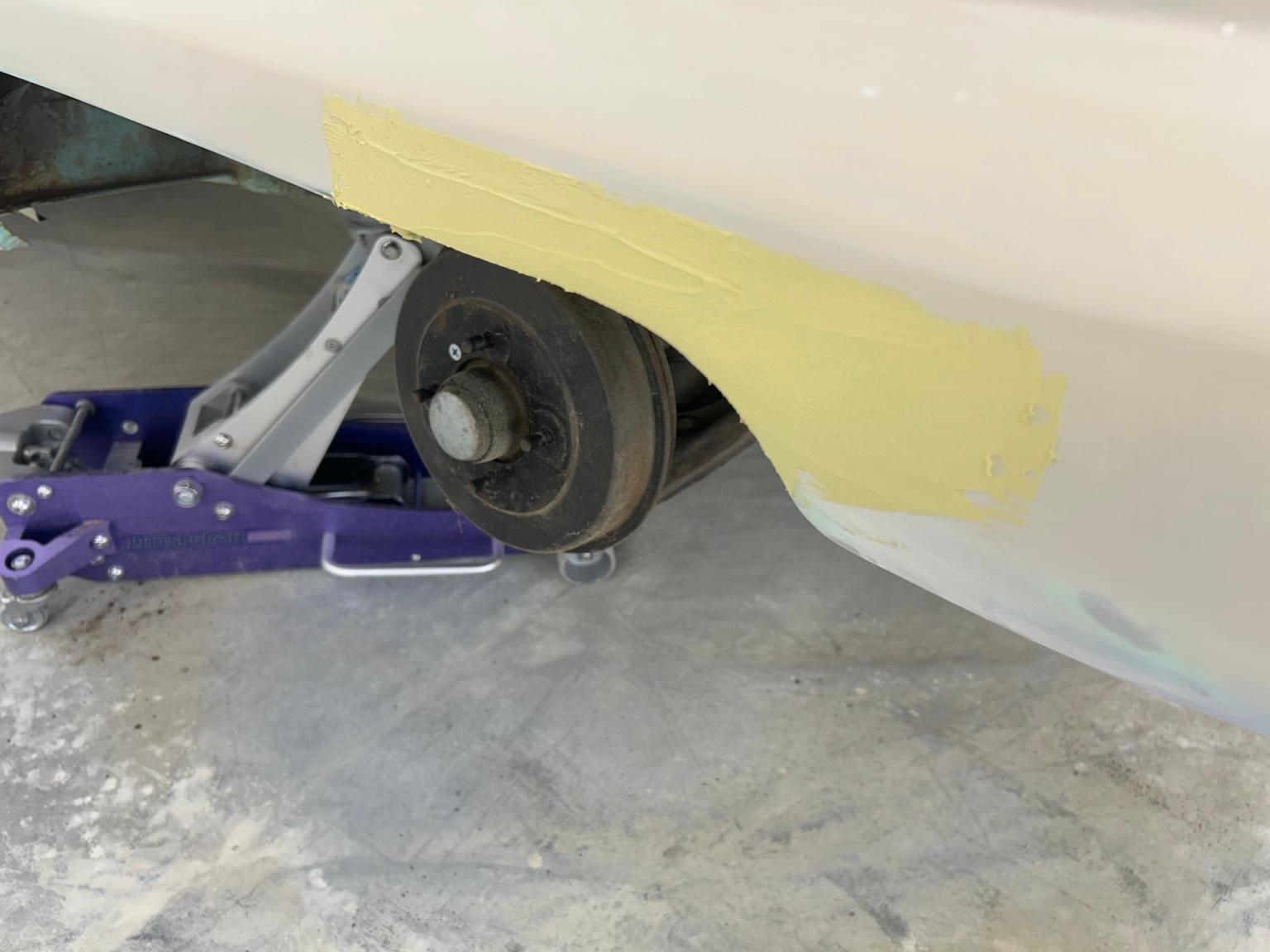
Final bodywork correction
A small remaining imperfection is corrected before the Metropolitan receives its final paint finish.
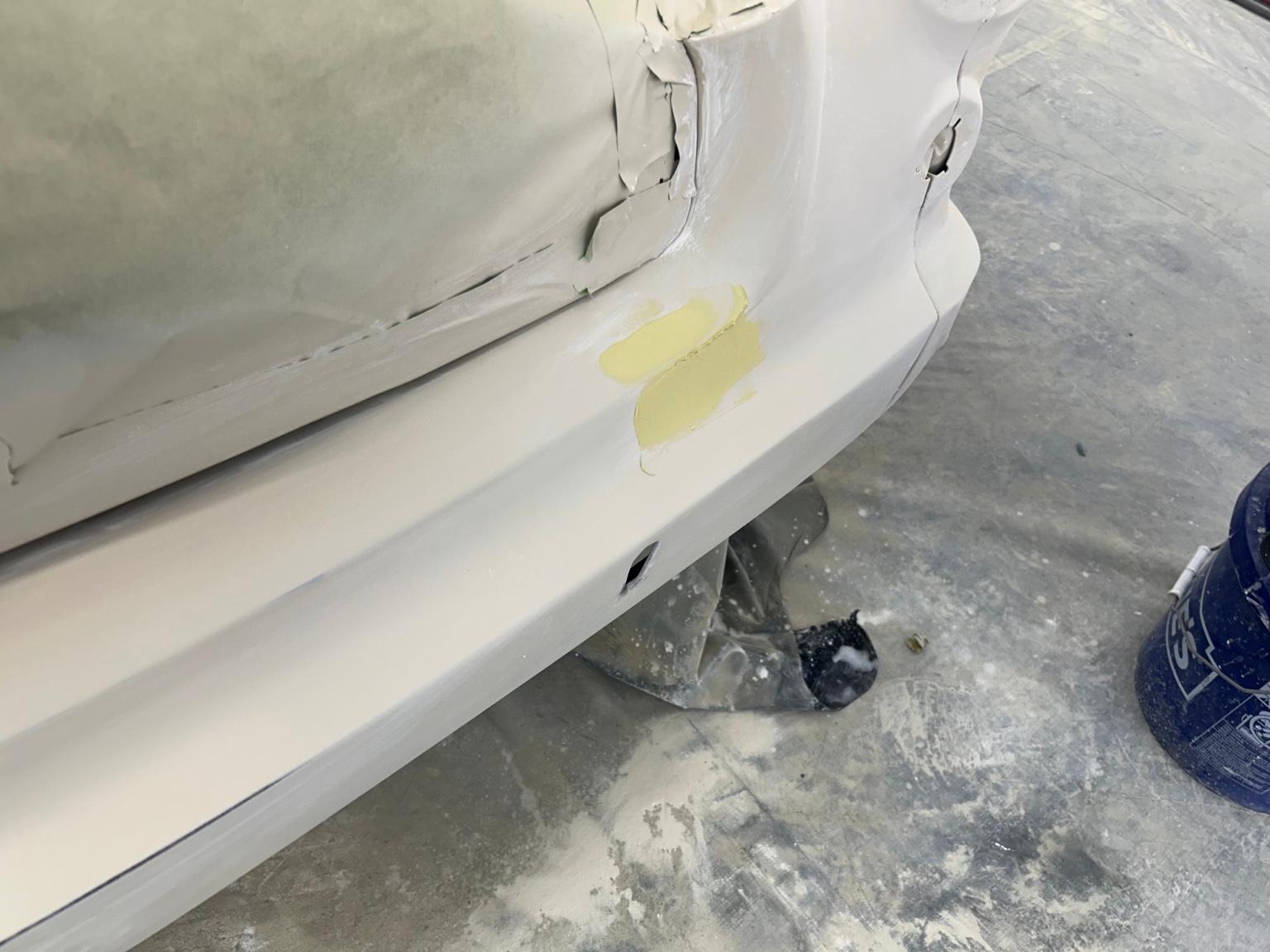
Final surface correction
One of the last localized bodywork corrections is addressed before final sanding and paint.
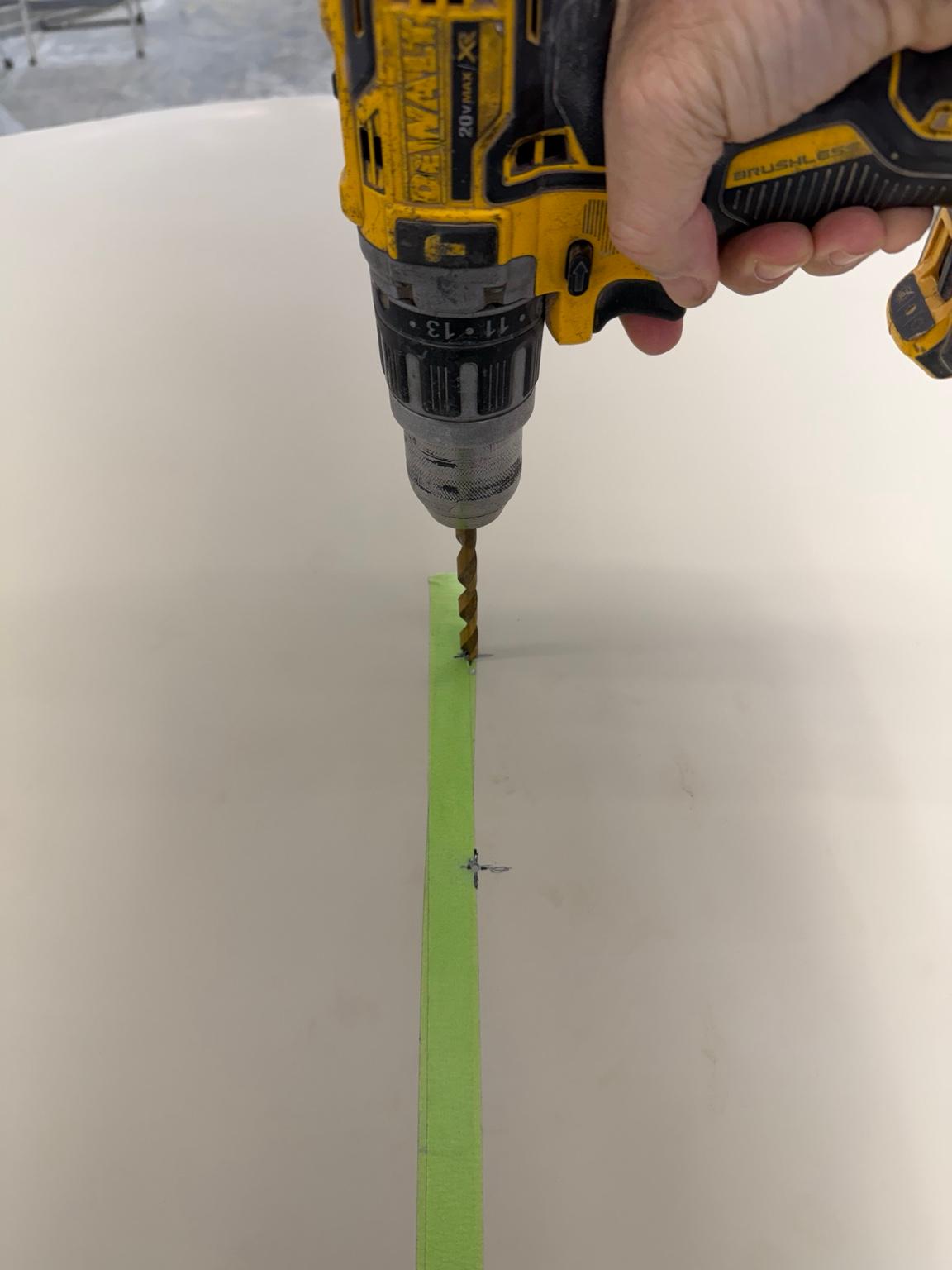
Preparing the hood
Carefully measuring and drilling the hood for the Flying Goddess ornament.
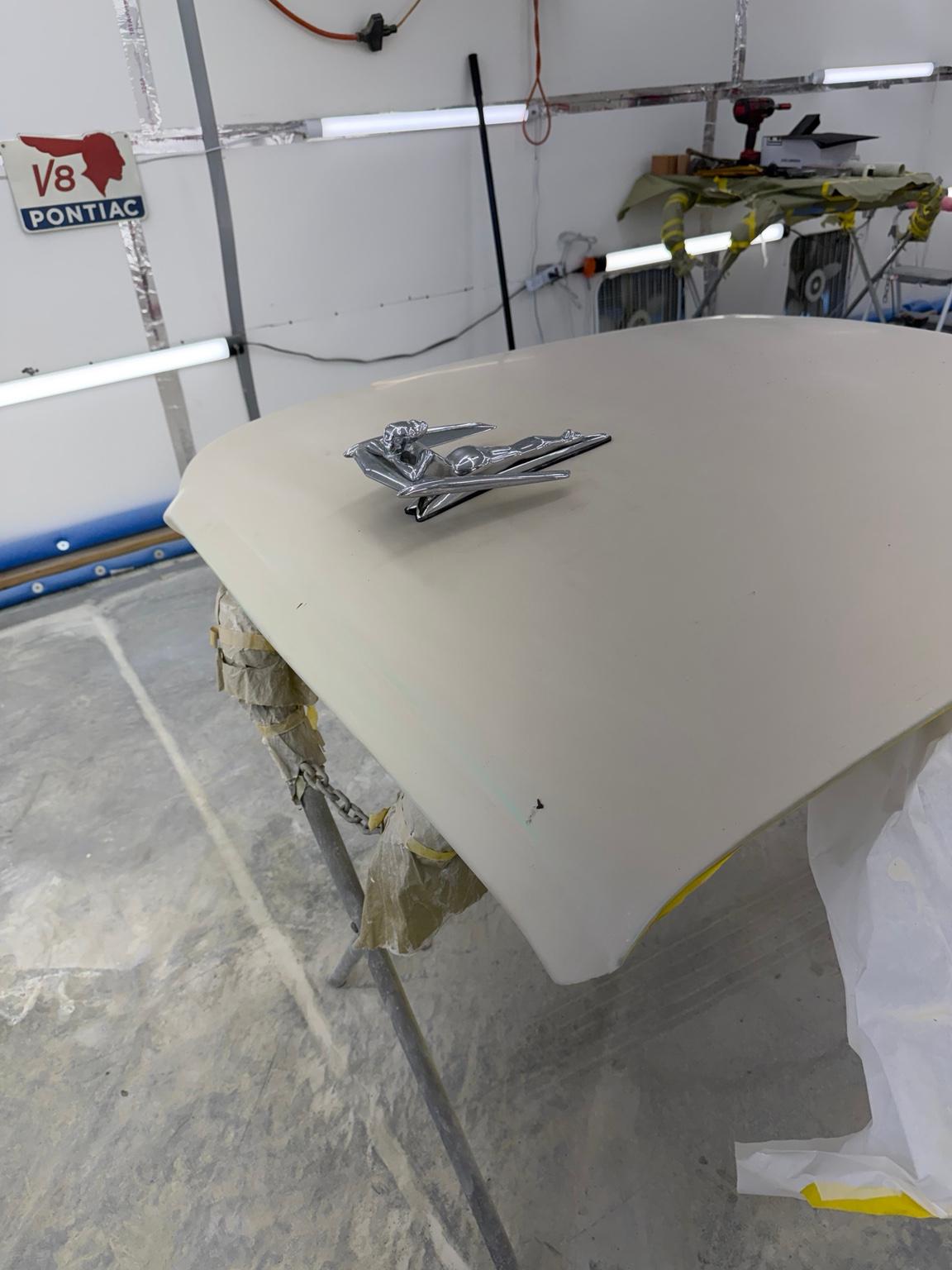
Flying Goddess test fit
The Flying Goddess is placed on the hood for the first test fit after the mounting points are prepared.
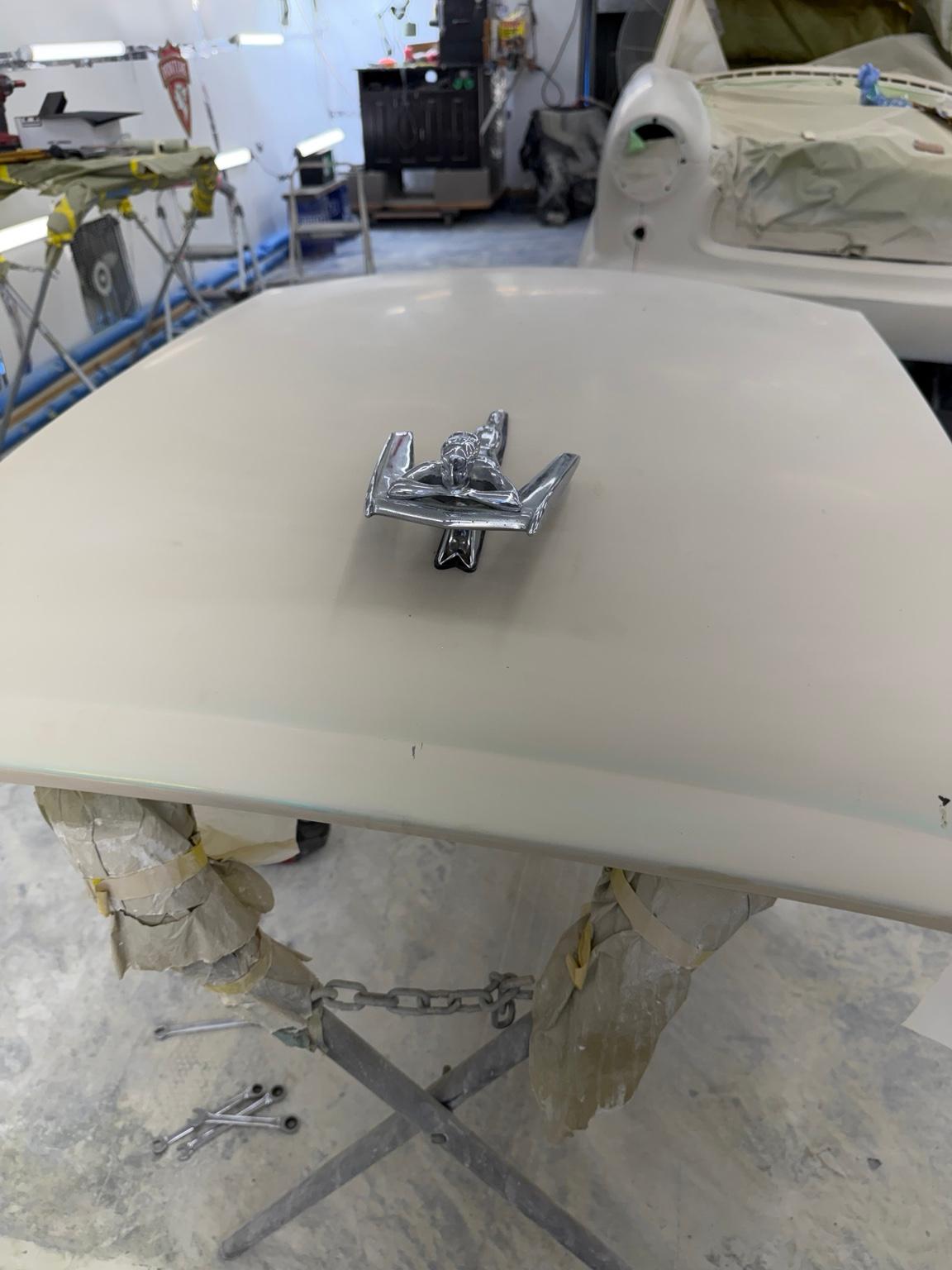
Checking alignment
A front-angle view confirms the Flying Goddess is centered and aligned correctly on the Nash hood.
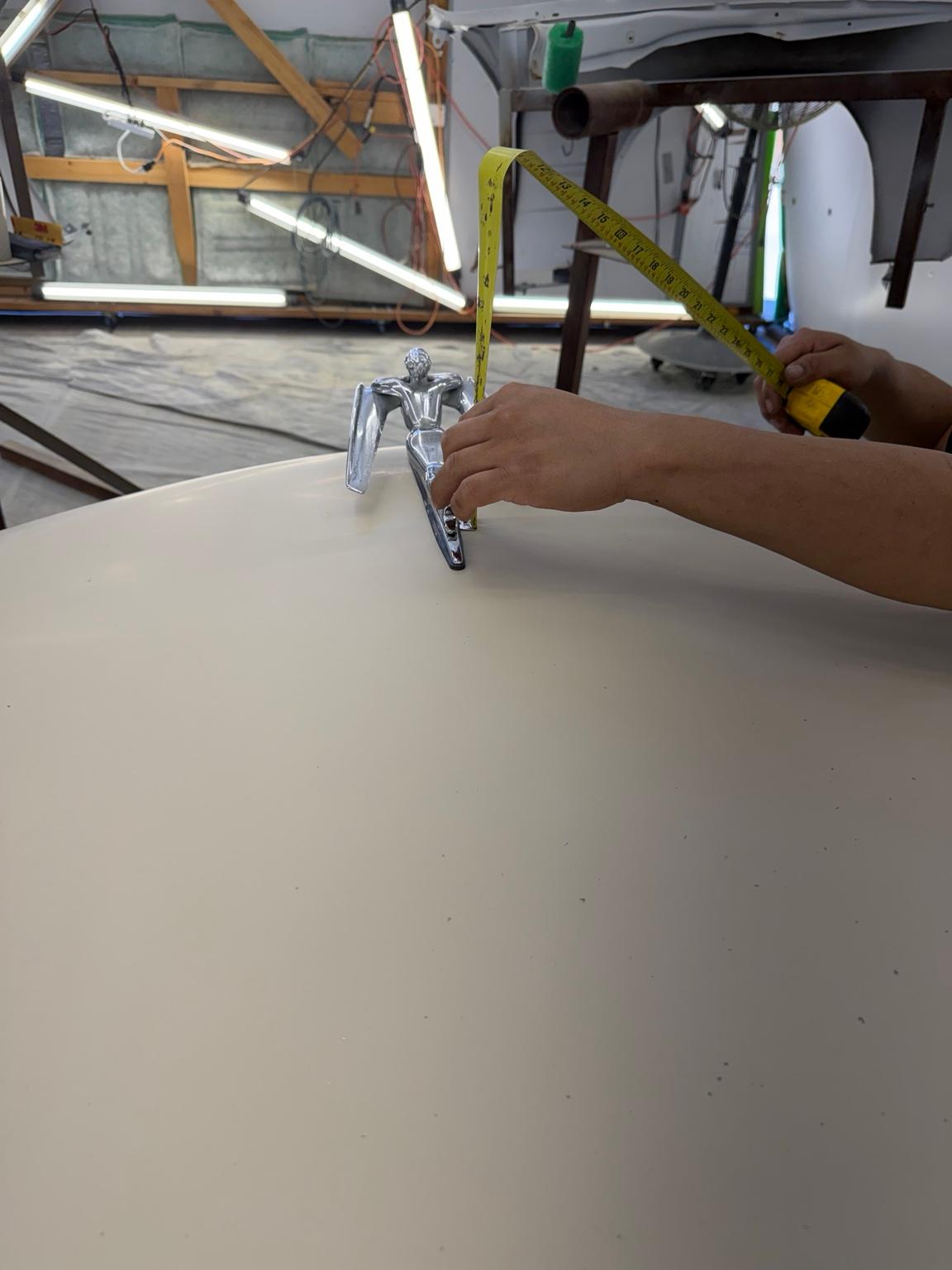
Final positioning
The ornament is carefully positioned and measured before the installation is finalized.
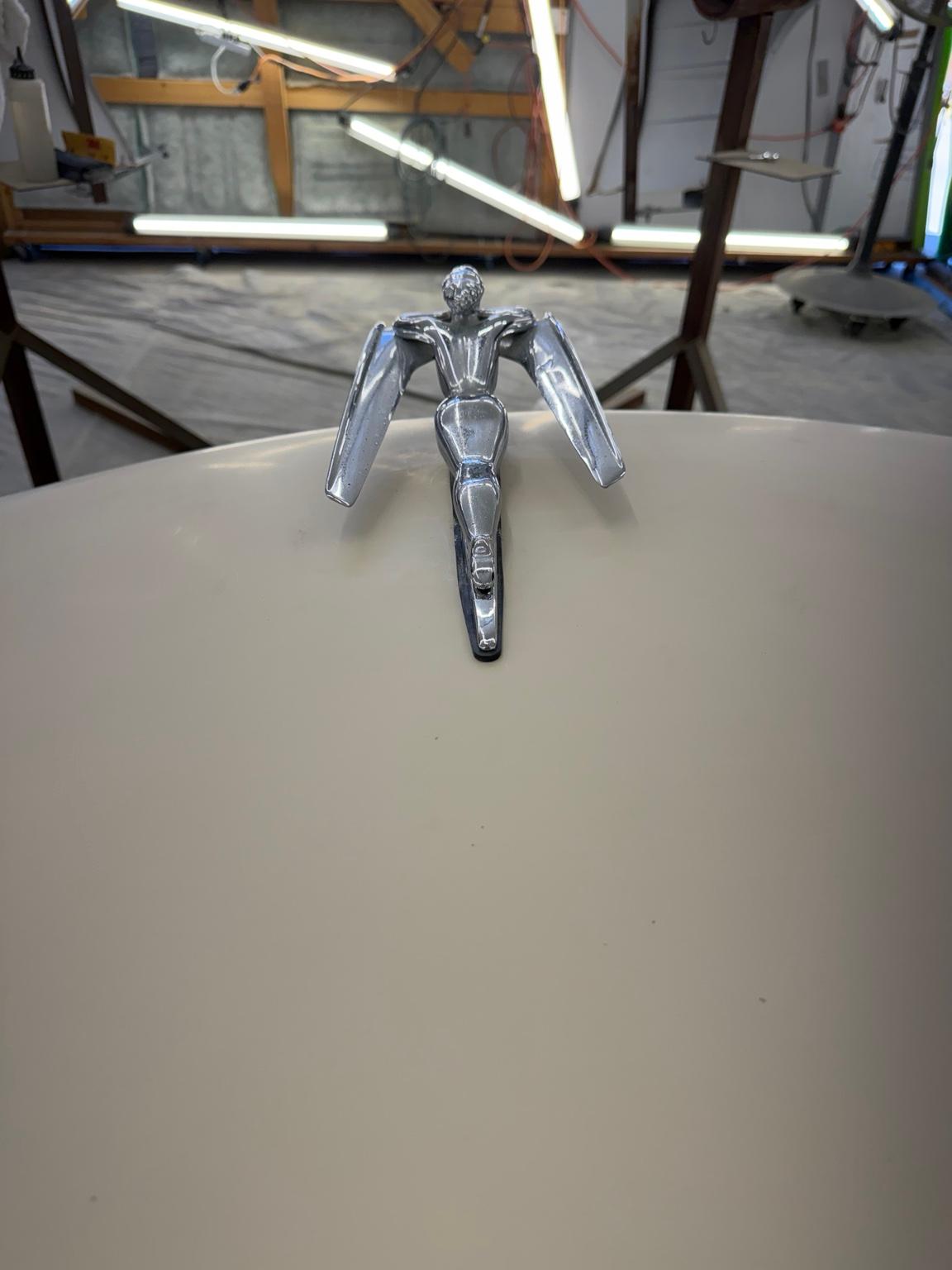
Flying Goddess fitted
The beautiful period Flying Goddess sits in position on the 1957 Nash Metropolitan hood.
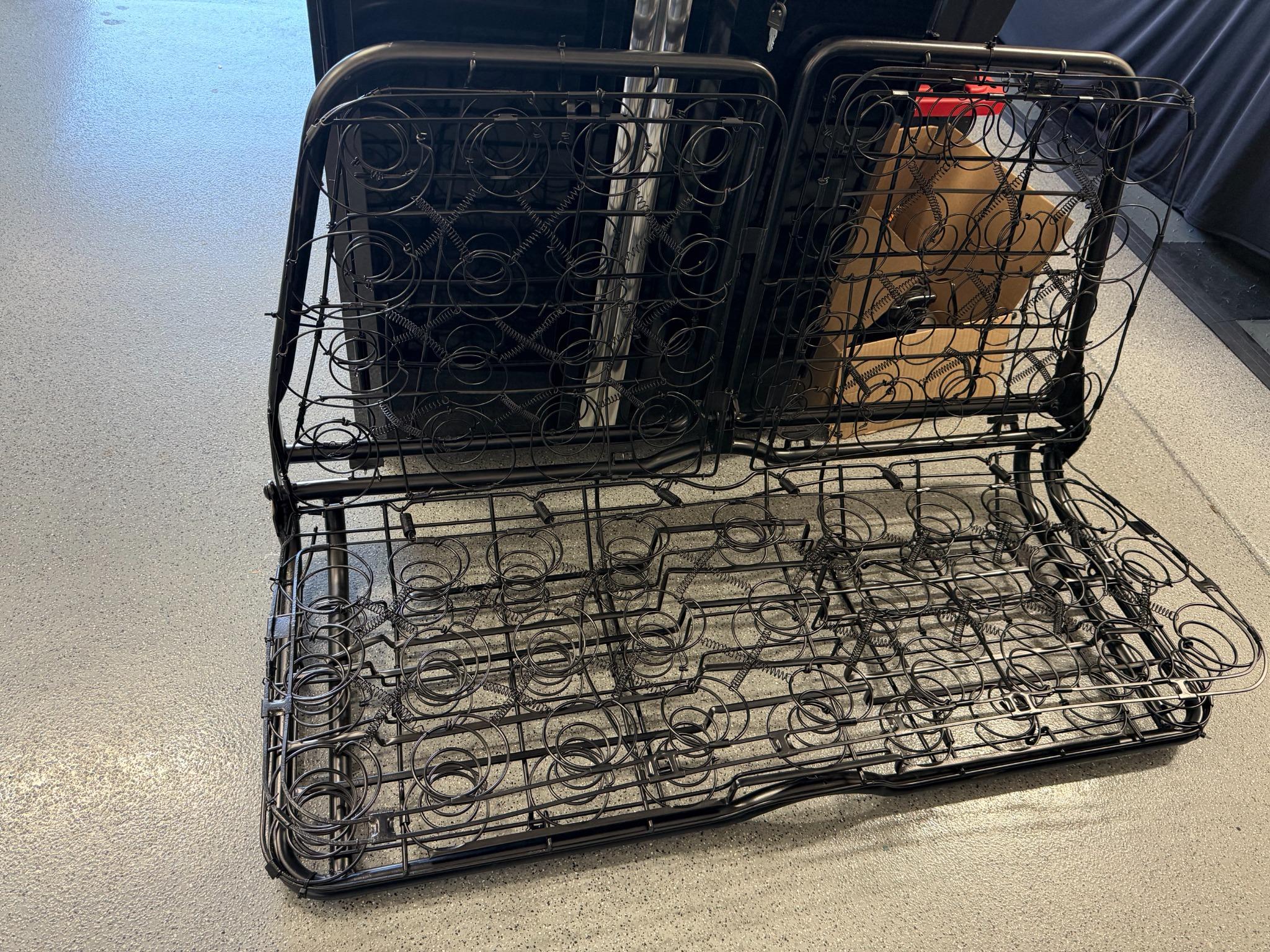
Original Seat Restored - Ready for Upholstery
This is the original bench seat that came out of our 1957 Nash Metropolitan. It was rusted and covered in more than 20 years of accumulated dirt. It has now been sandblasted, powder coated in satin black, and reassembled. Next stop: upholstery. Much of this work will be hidden once the seat is finished, but it is an important part of bringing this Nash back to life.
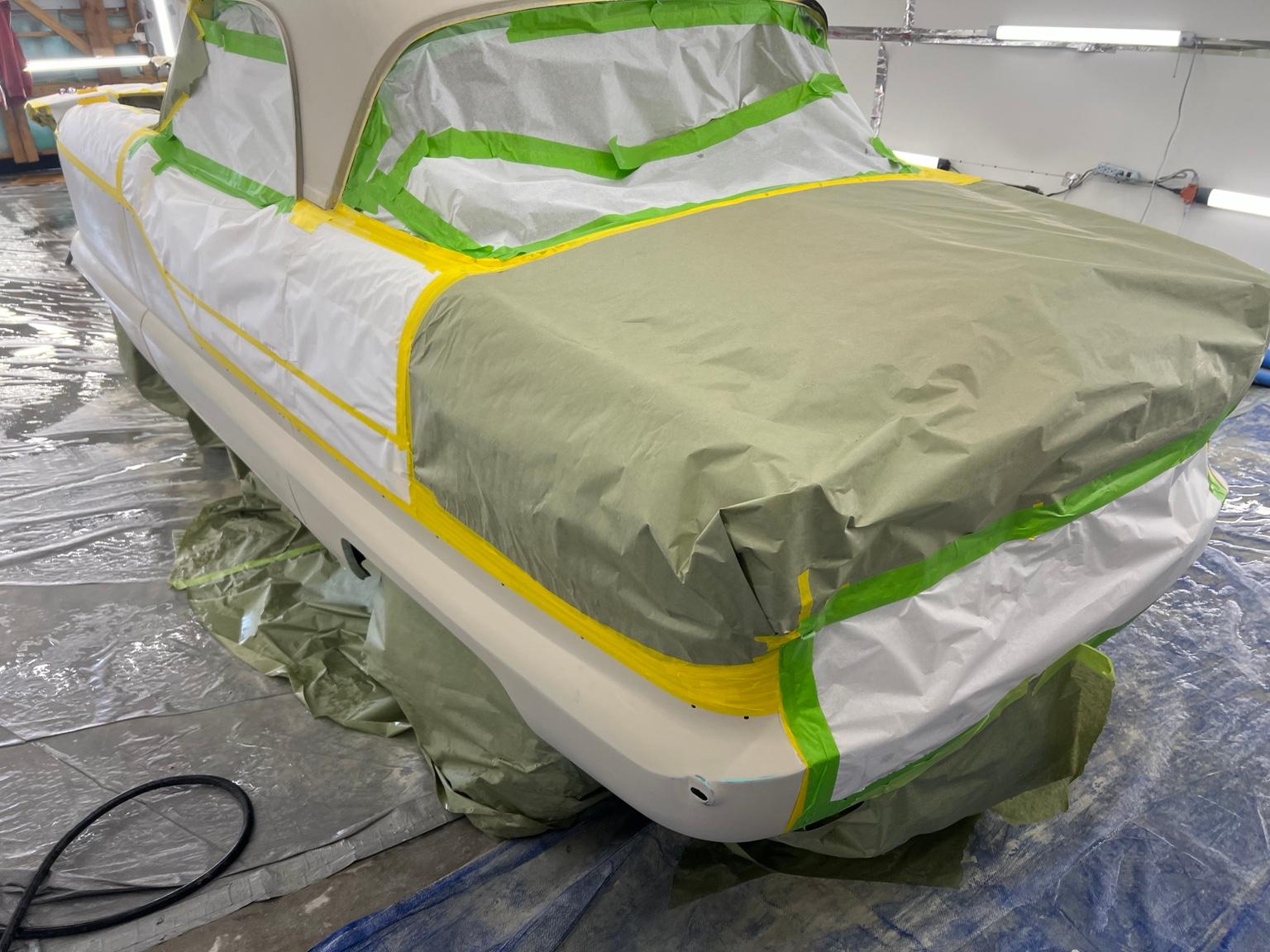
October 10, 2026 — Bodywork and Paint Prep Complete
The bodywork and paint preparation are finally finished. With the rear body carefully masked, our 1957 Nash Metropolitan is ready for the first phase of its two-color paint process. This view documents the preparation before the white was applied.
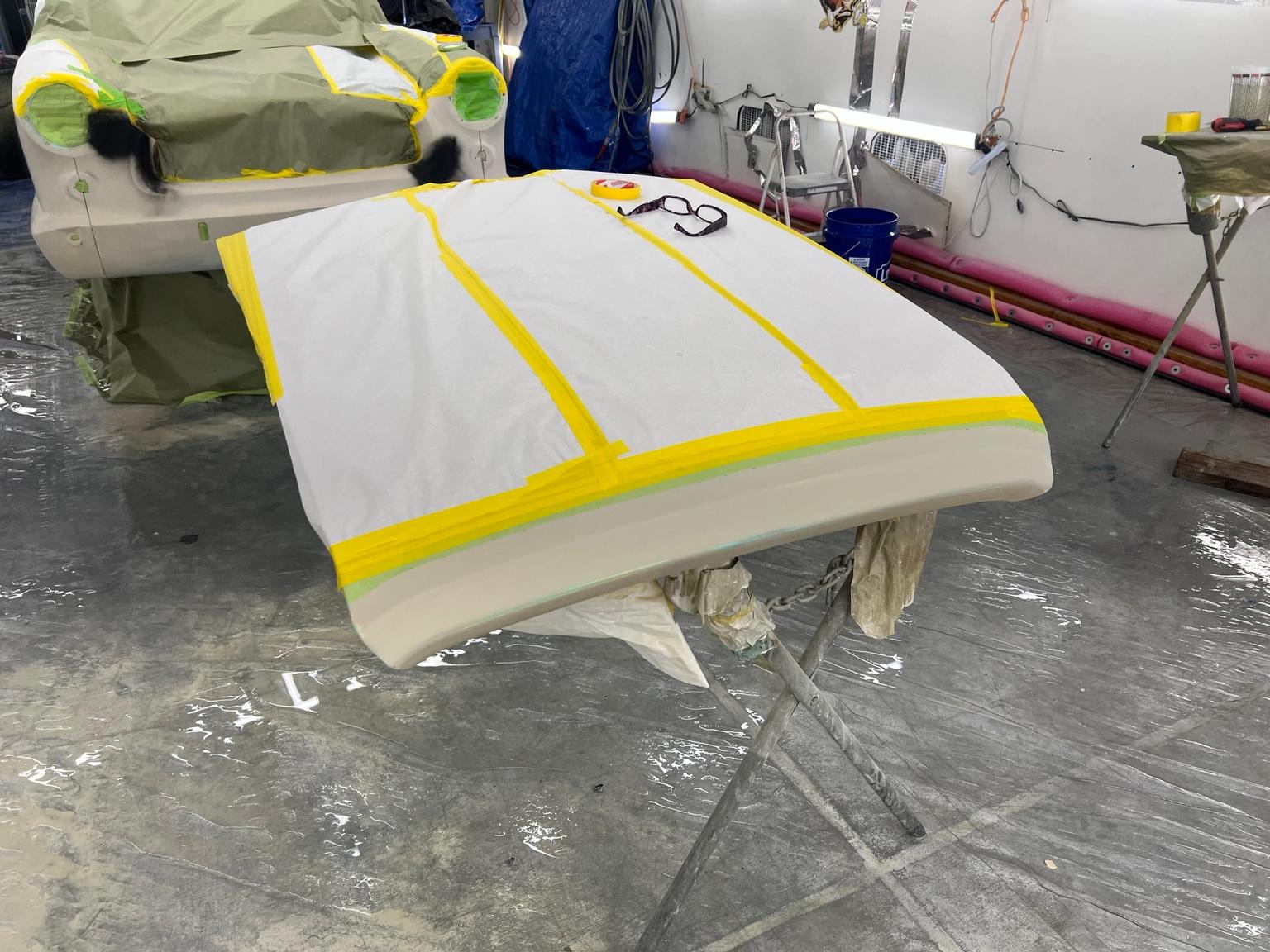
October 10, 2026 — Hood Masked for the First Color
The hood is masked separately on a stand, with the taped paint break defining the area for white. The prepared Nash sits behind it, ready for the first color of the two-tone finish.
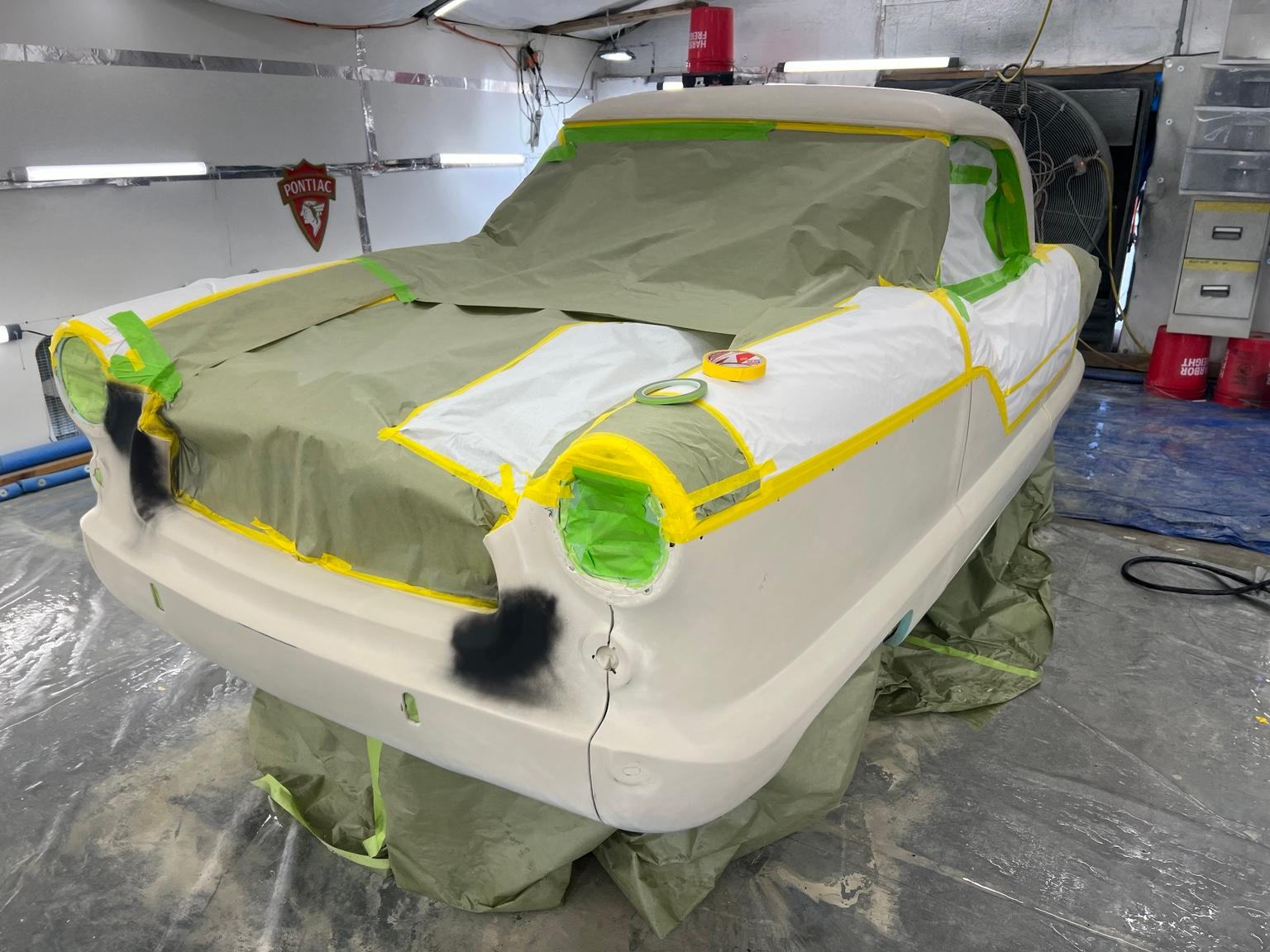
October 10, 2026 — Ready to Spray
A final view before paint shows the front and sides masked for the white phase. The windows, openings and areas reserved for the second color remain protected.
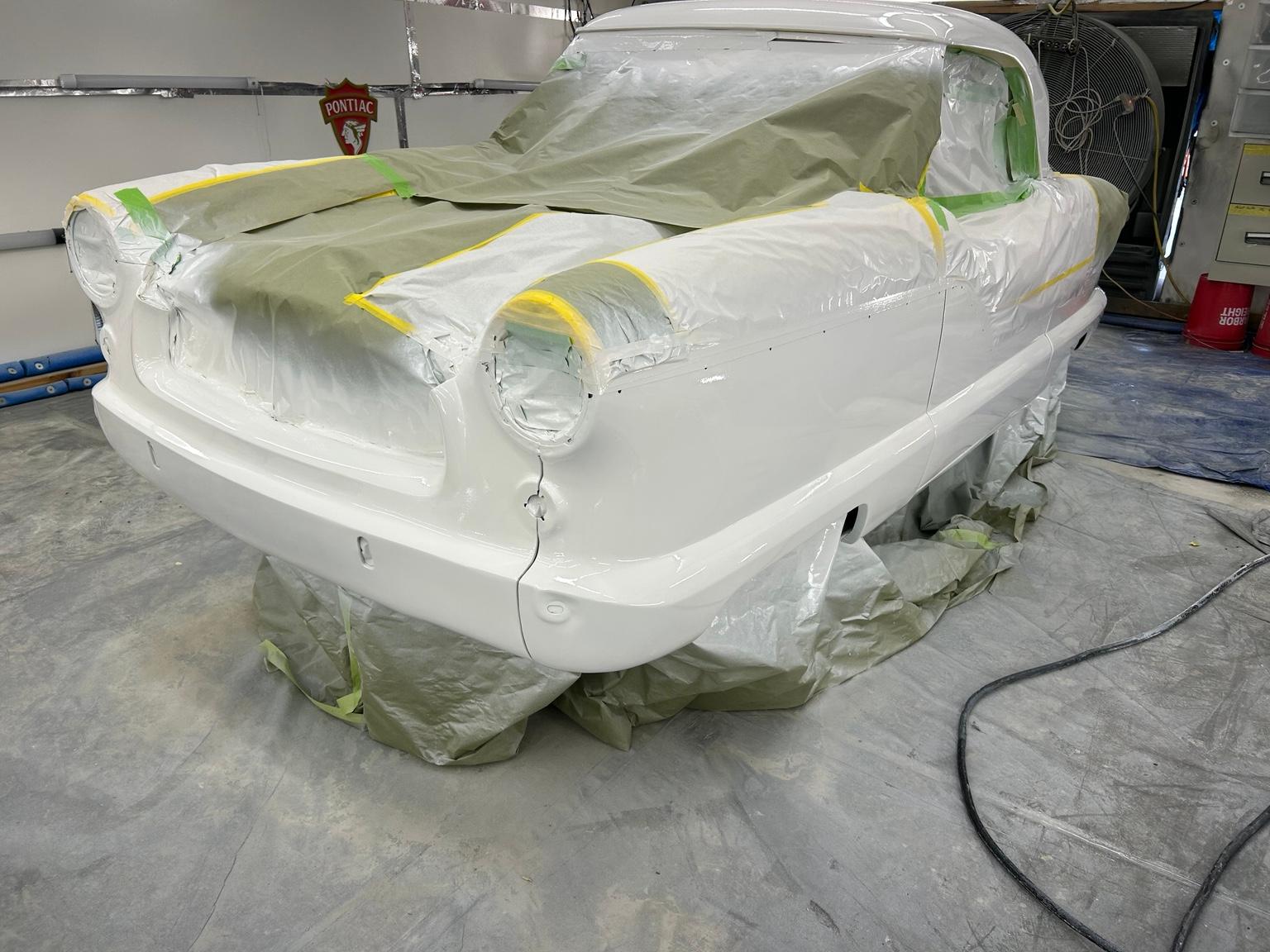
October 10, 2026 — Four Coats of White
The first paint phase is complete: four coats of white were applied today. After all the bodywork and preparation, the fresh finish brings a new look to the roof and lower body while the second-color areas remain masked.
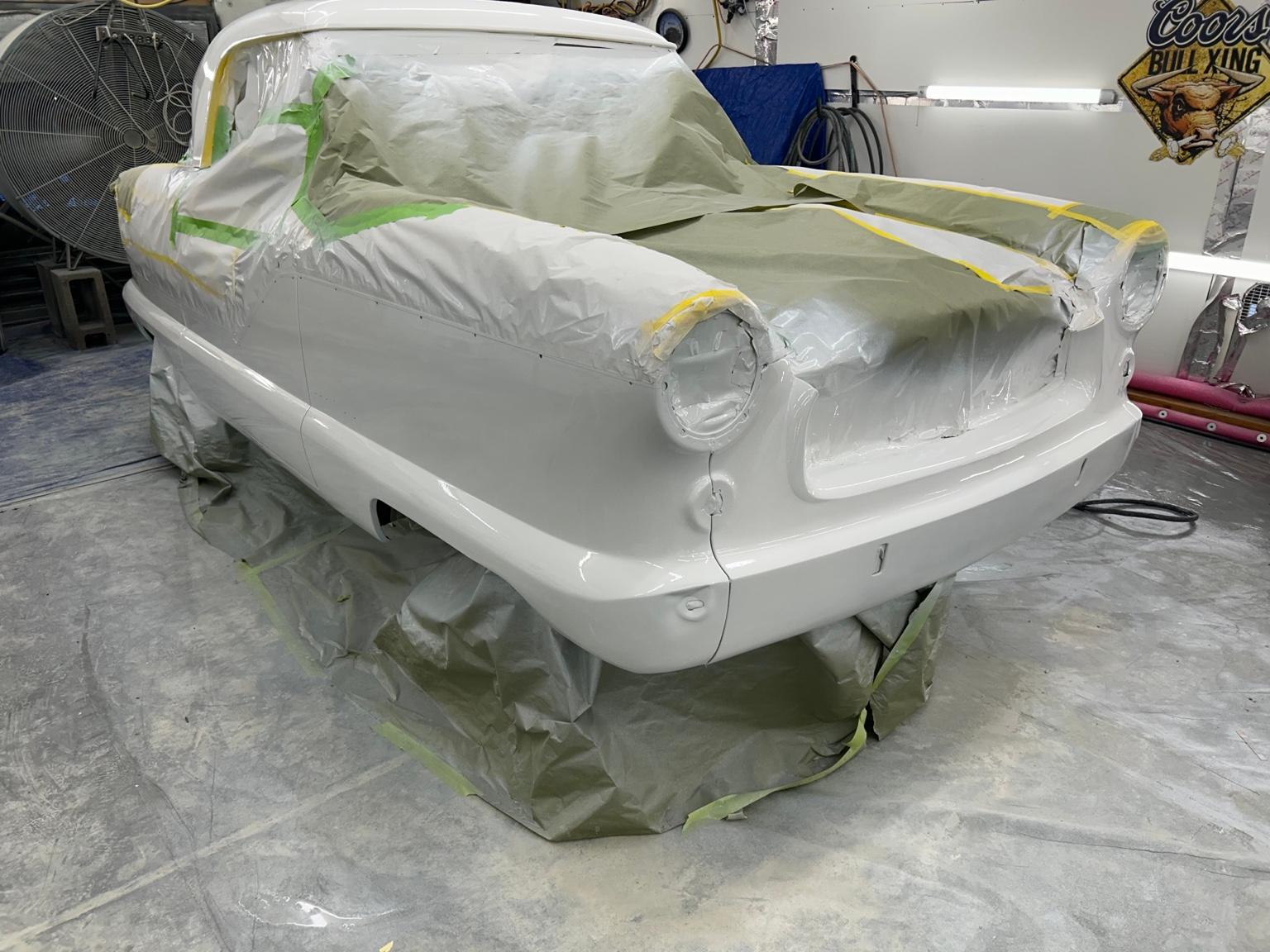
October 10, 2026 — Fresh White from the Opposite Side
The opposite front-quarter view shows the newly painted white surfaces and the reflections along the lower body. This is the first color of the finished two-tone scheme, not the completed paint job.
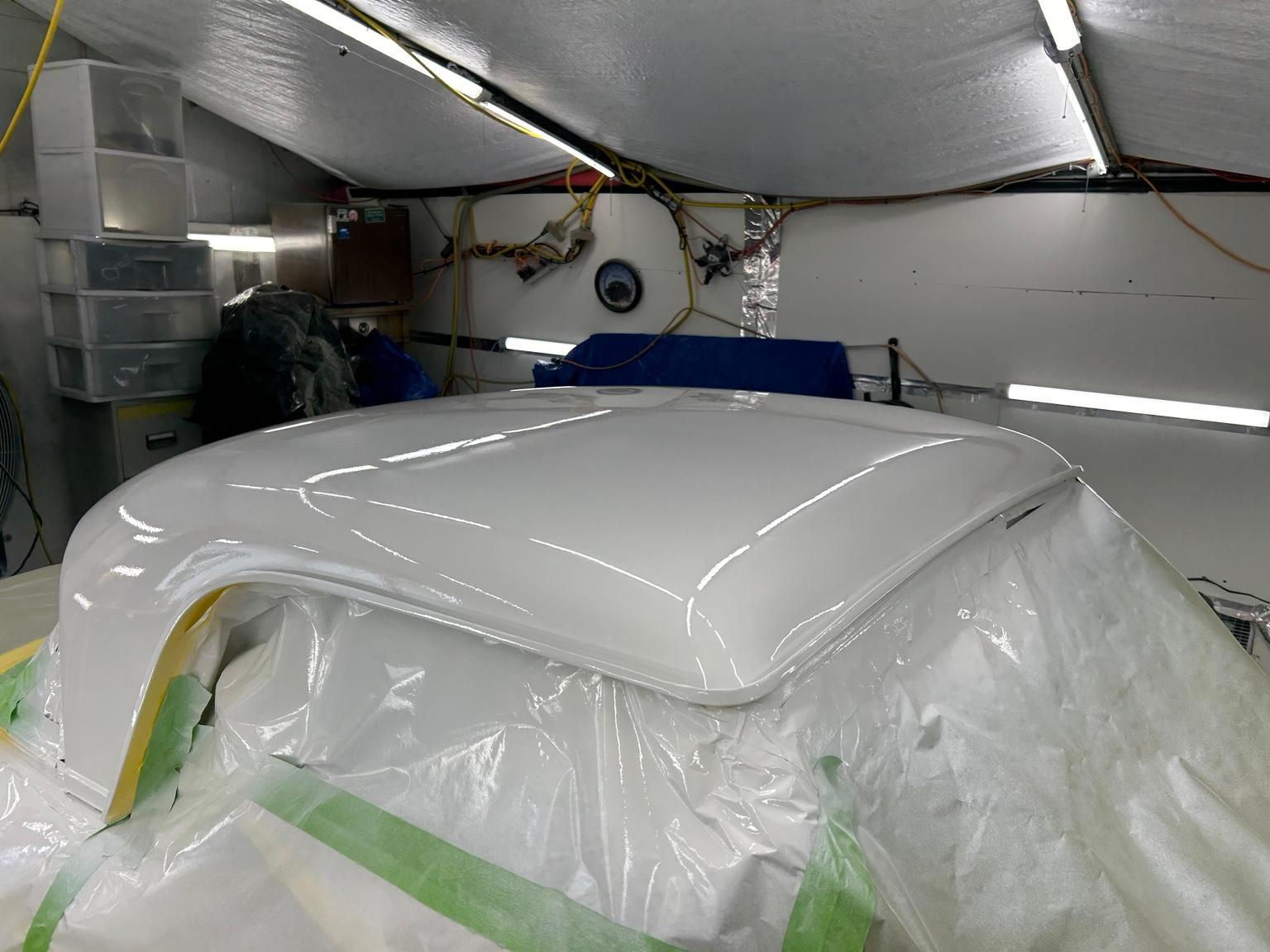
October 10, 2026 — The White Roof
A closer look at the roof after the white application. The fresh gloss highlights the Metropolitan’s rounded roofline, with the glass and surrounding areas still masked.
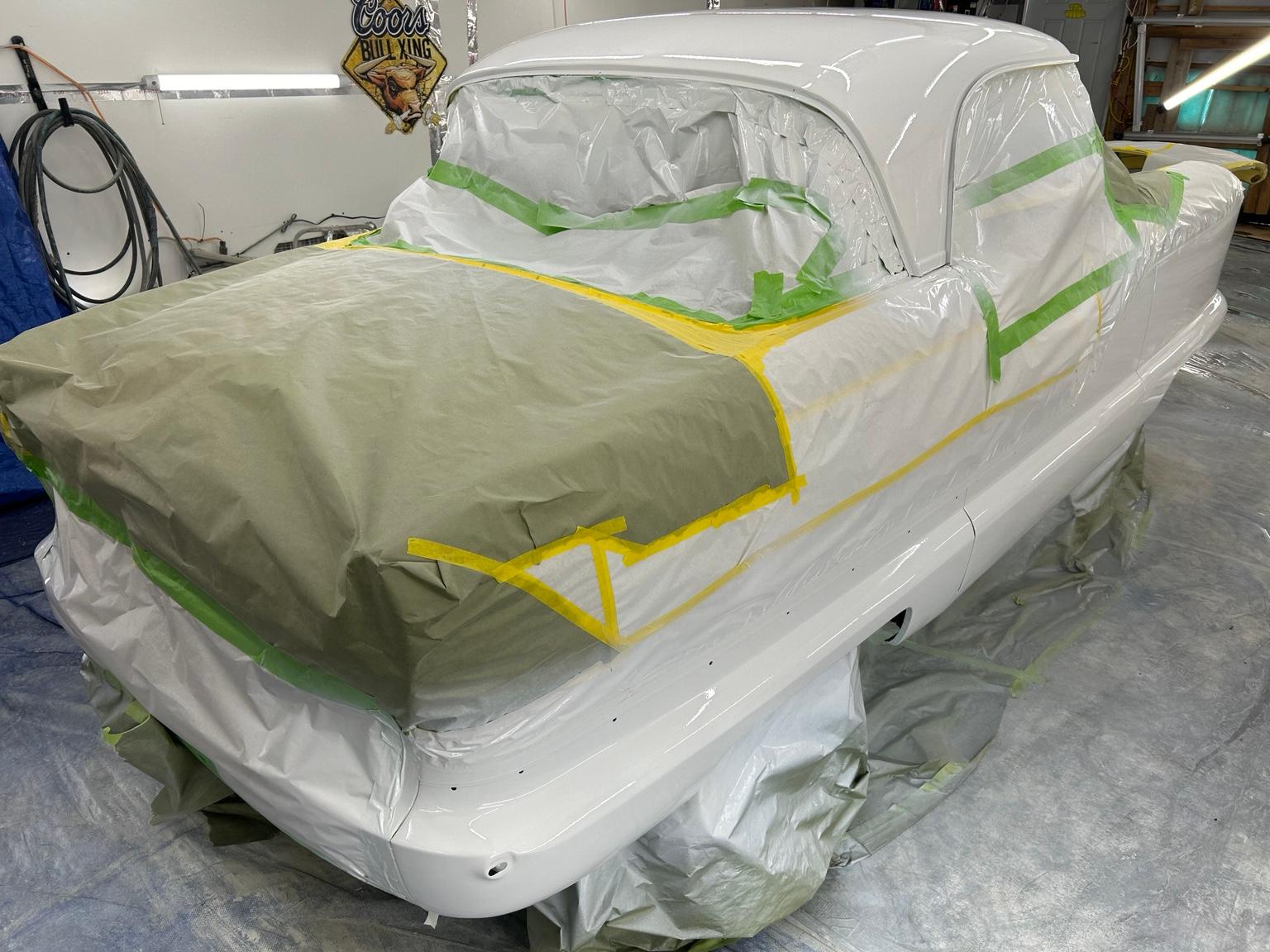
October 10, 2026 — White Paint Around the Rear
The rear-quarter view shows the white roof and lower body after the first paint phase. Masking remains over the upper body areas that will receive the second color.
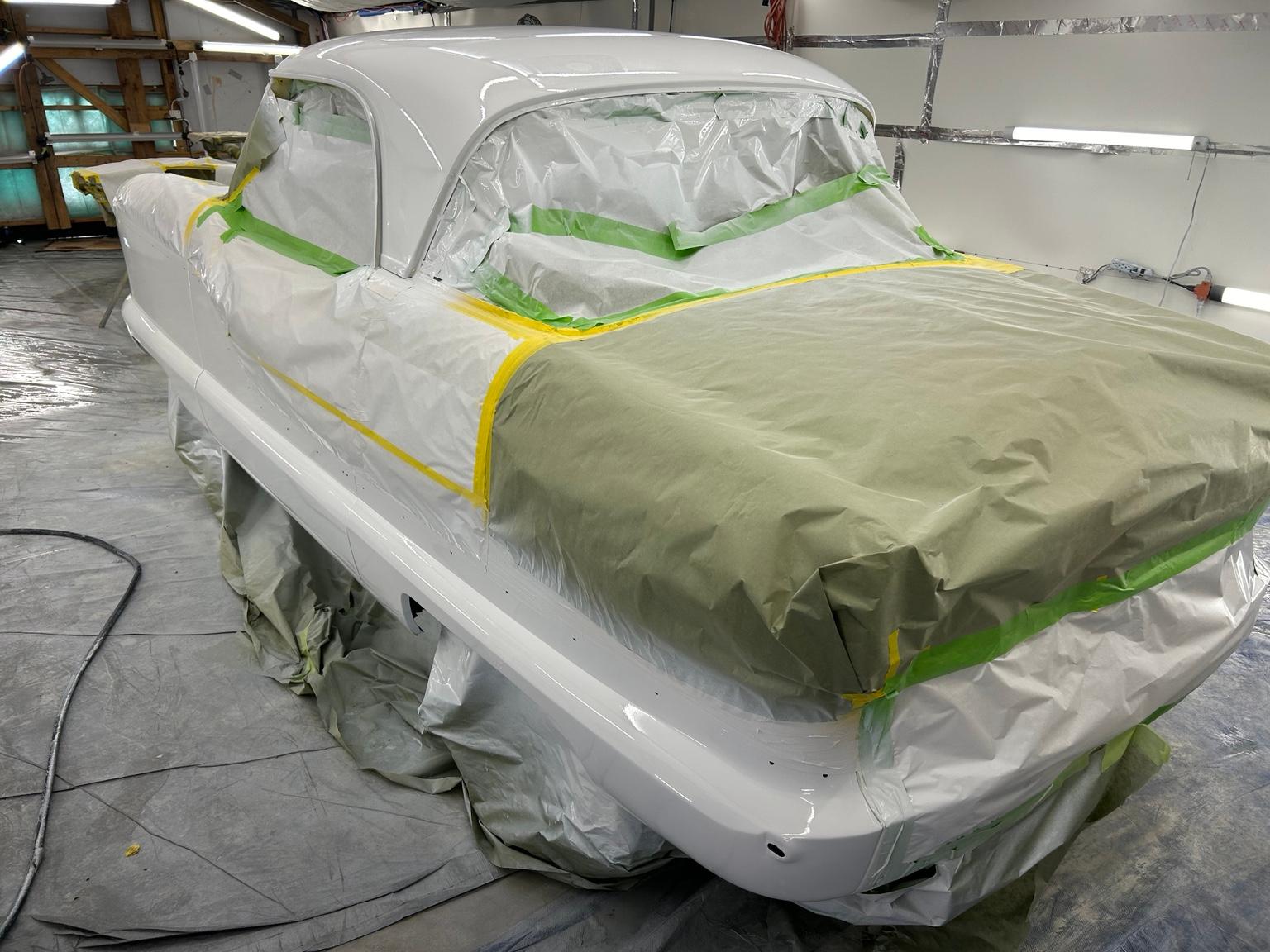
October 10, 2026 — Phase One Complete, Second Color to Come
Bodywork complete. Paint prep complete. Four coats of white applied. This is a major milestone for the Nash and the first of two color phases. The next paint phase will bring the second color into the two-tone finish.
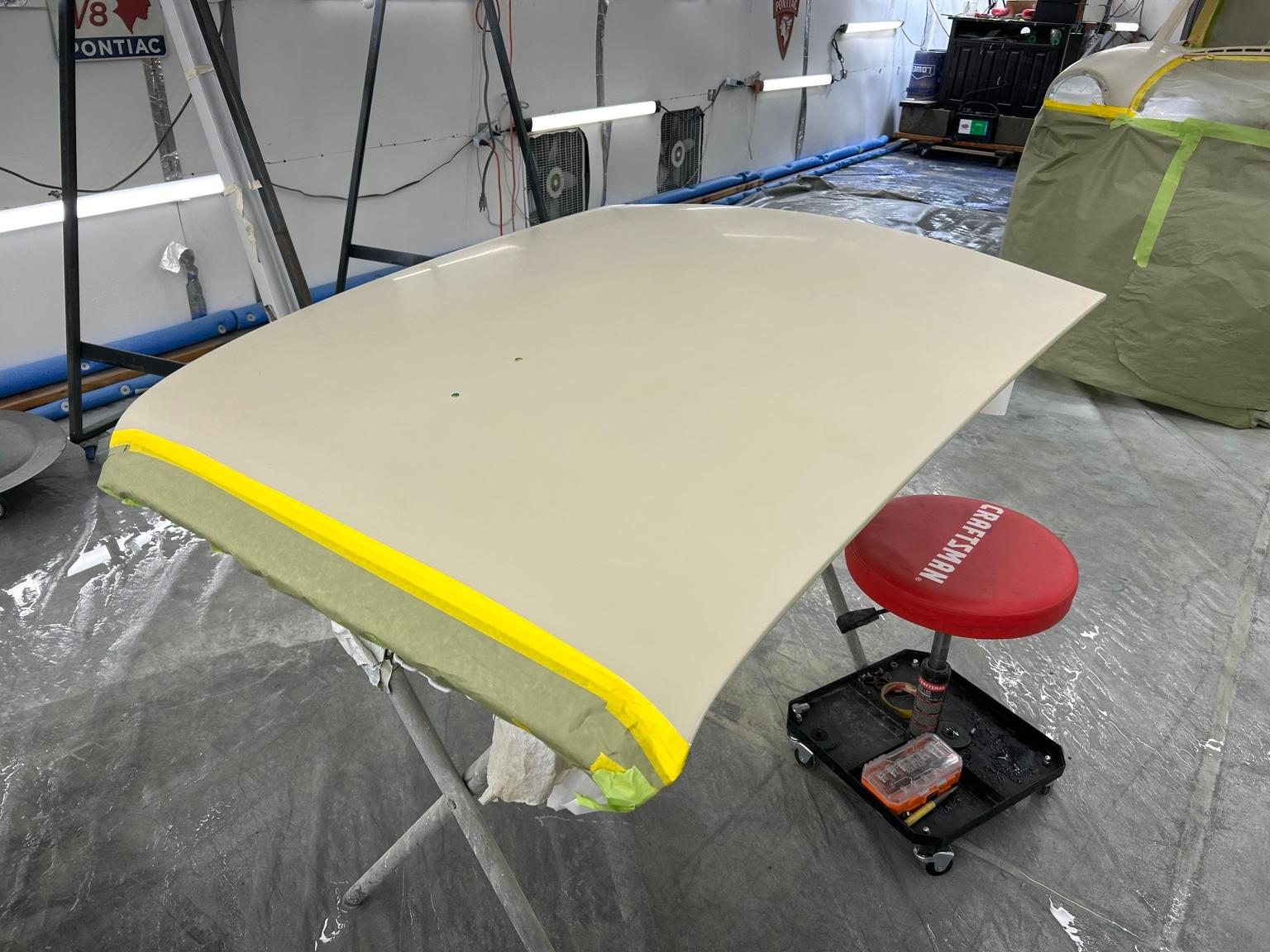
Hood prepared for yellow paint
The detached hood is primed and masked, ready for the yellow color coat.
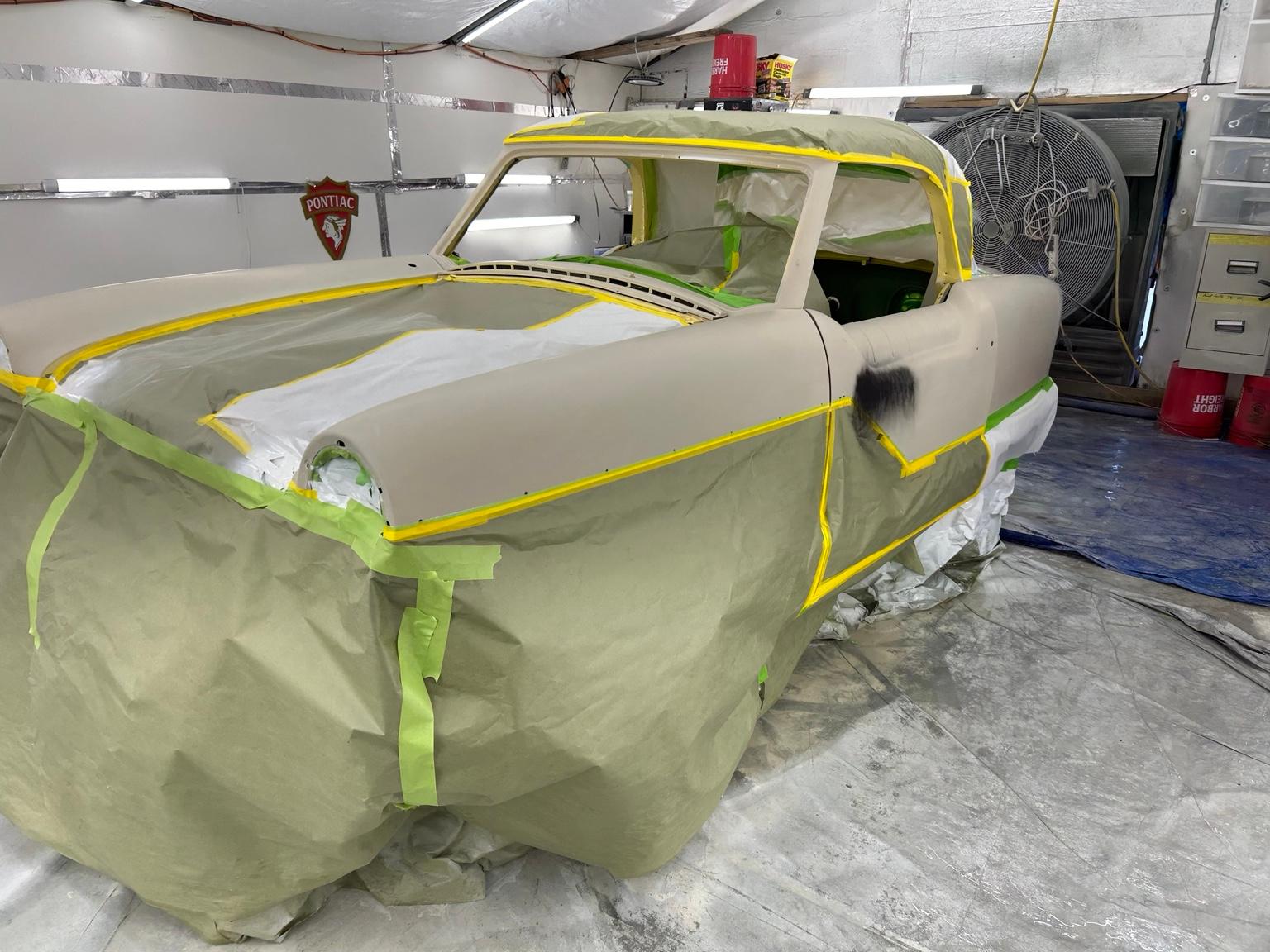
Final masking before yellow — front view
With the white paint protected, the primed upper body and door are masked along the two-tone break for yellow paint.
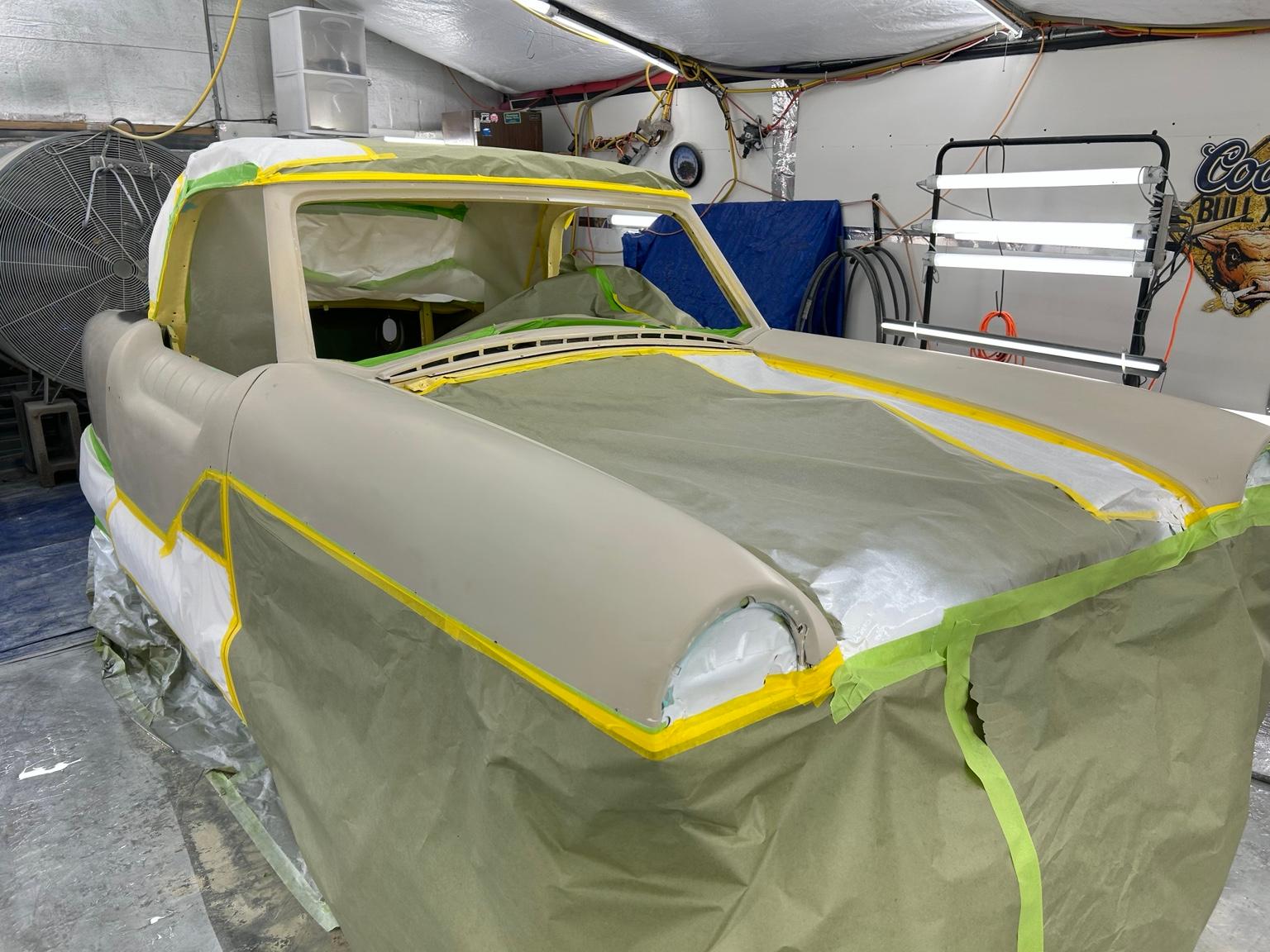
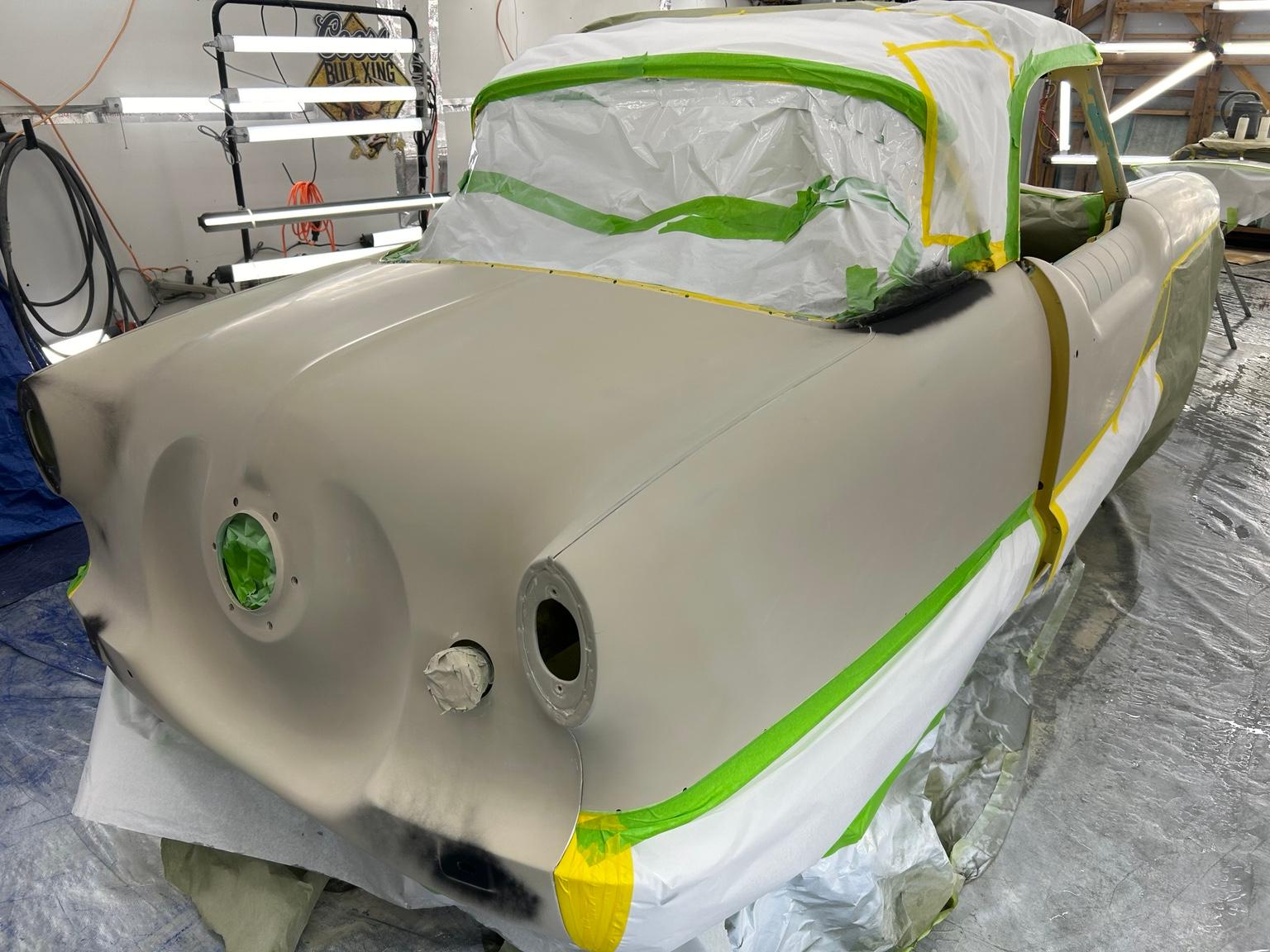
Primer preparation — opposite front view
The front fenders and windshield surround are prepared, while masking protects the white lower body and interior.
Rear body prepared for yellow
The primed rear deck and quarter panels await yellow paint, with lamp and filler openings protected.
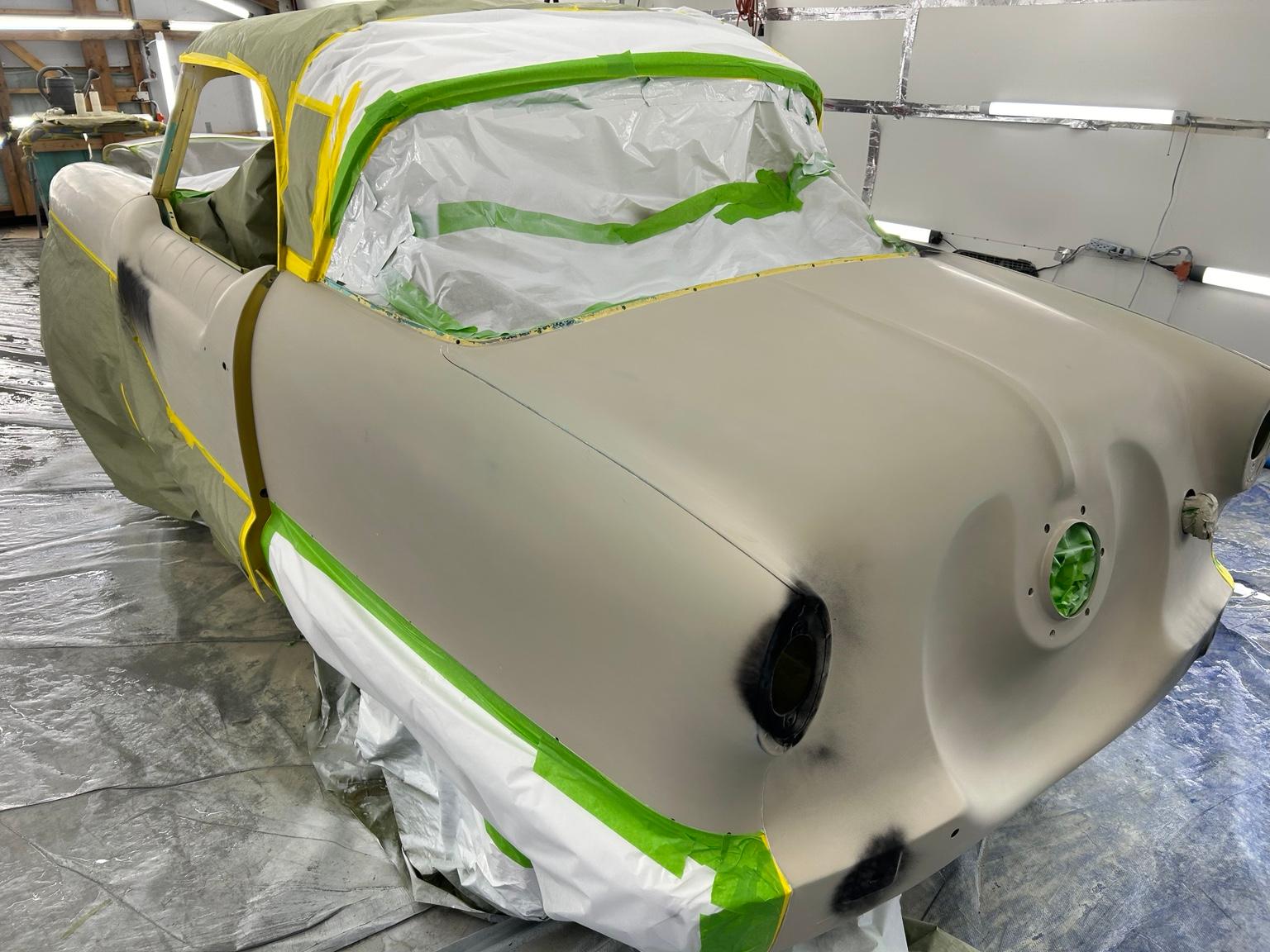
Rear-quarter preparation — opposite view
A second rear view documents the surface preparation and masking before the yellow coat.
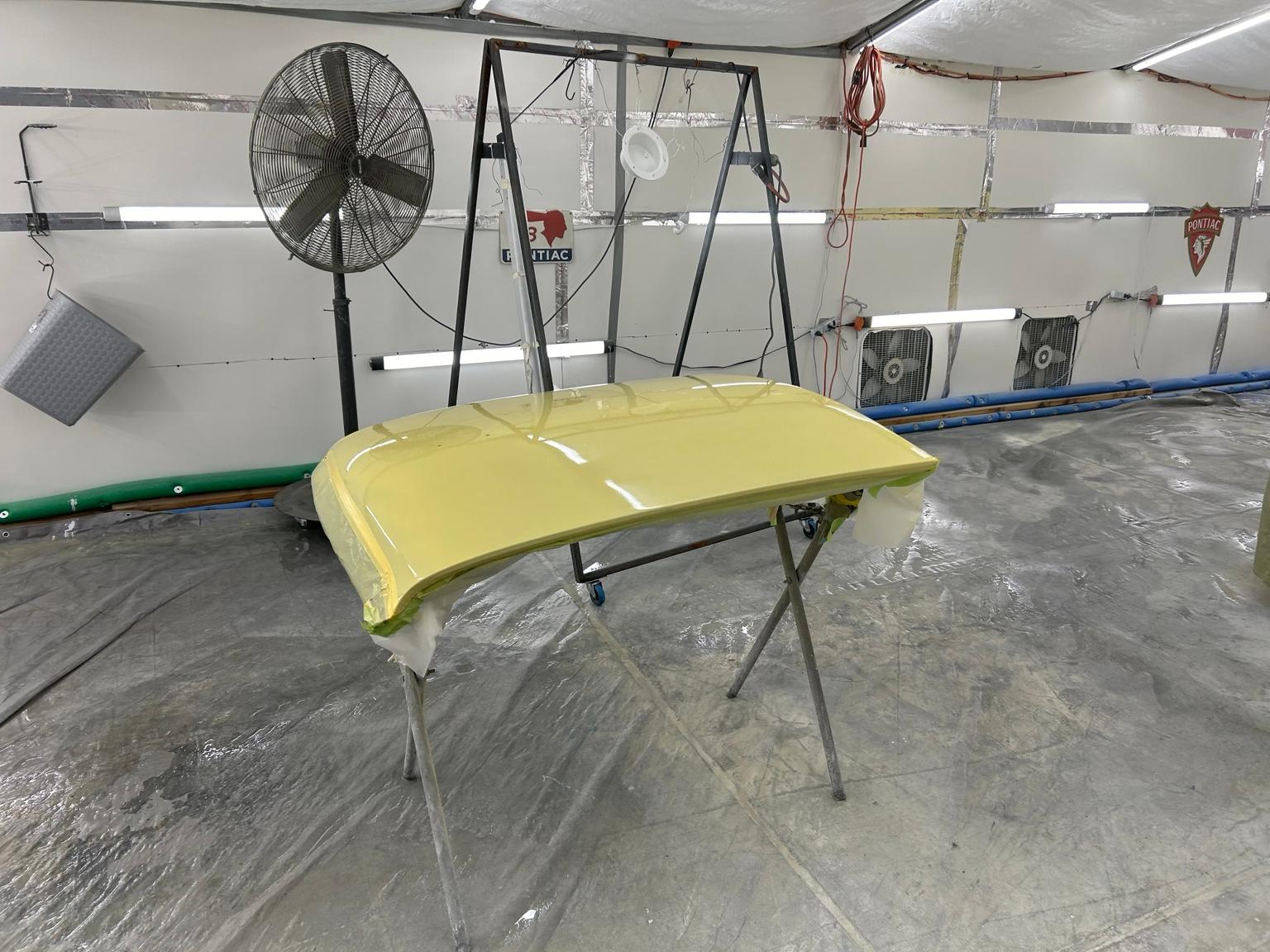
Yellow hood freshly painted
The hood now wears its fresh yellow finish, with the booth lights reflected across the surface.
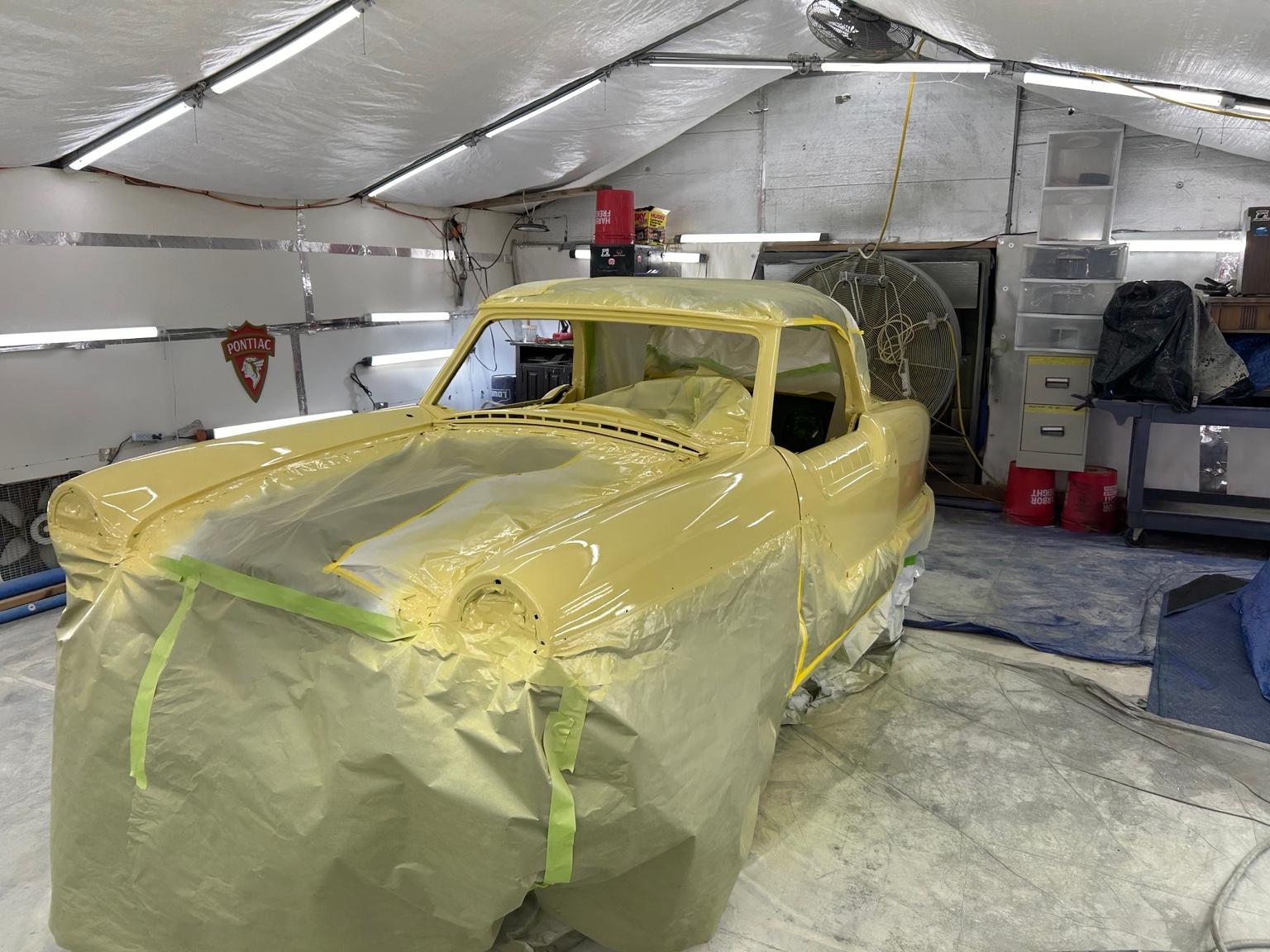
Yellow applied — masked front view
Fresh yellow paint brings the Metropolitan's upper body to life while the white areas remain protected.
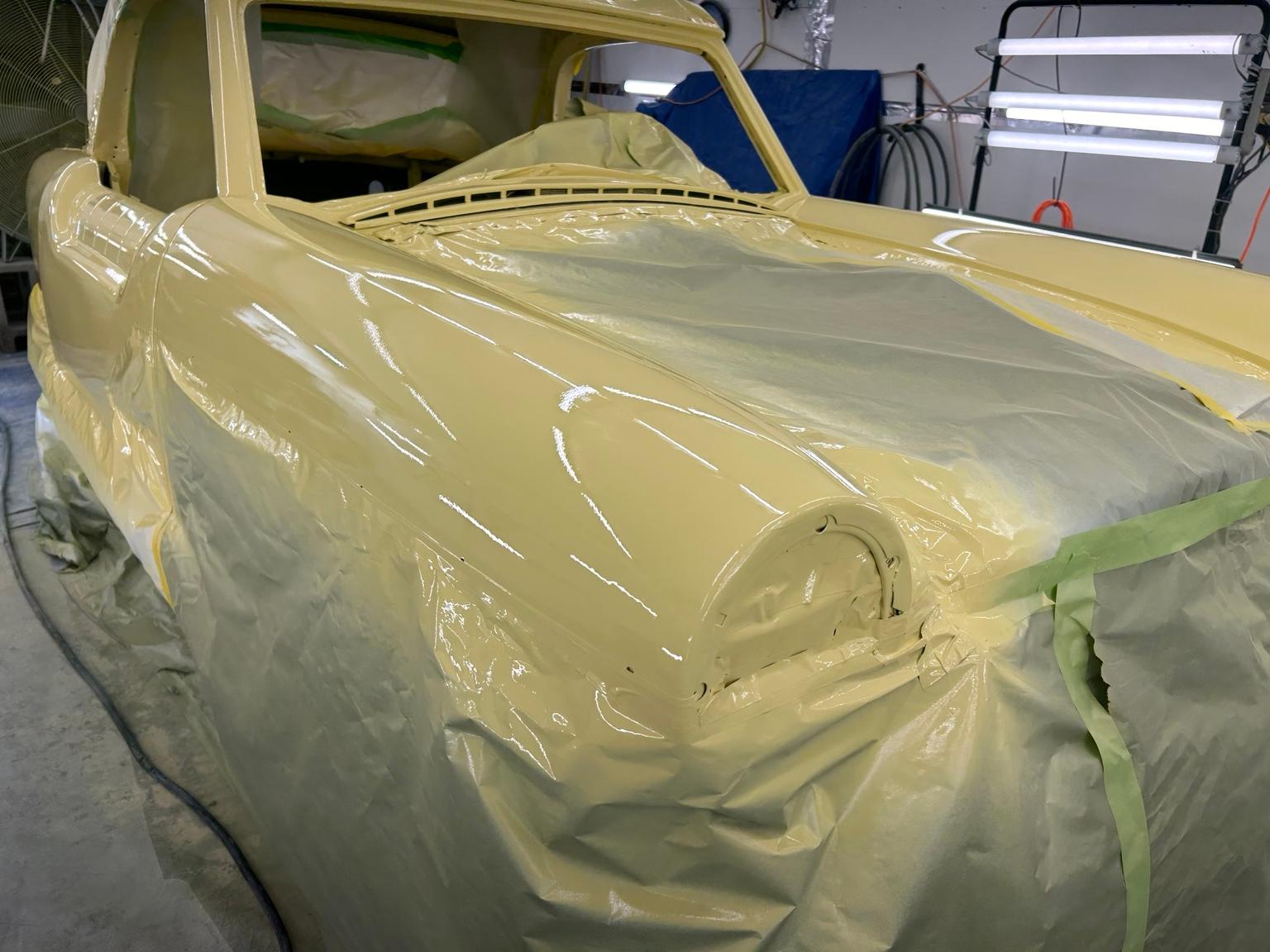
Fresh yellow — front-fender close-up
A close view records the fresh yellow finish while masking still protects the lower body.
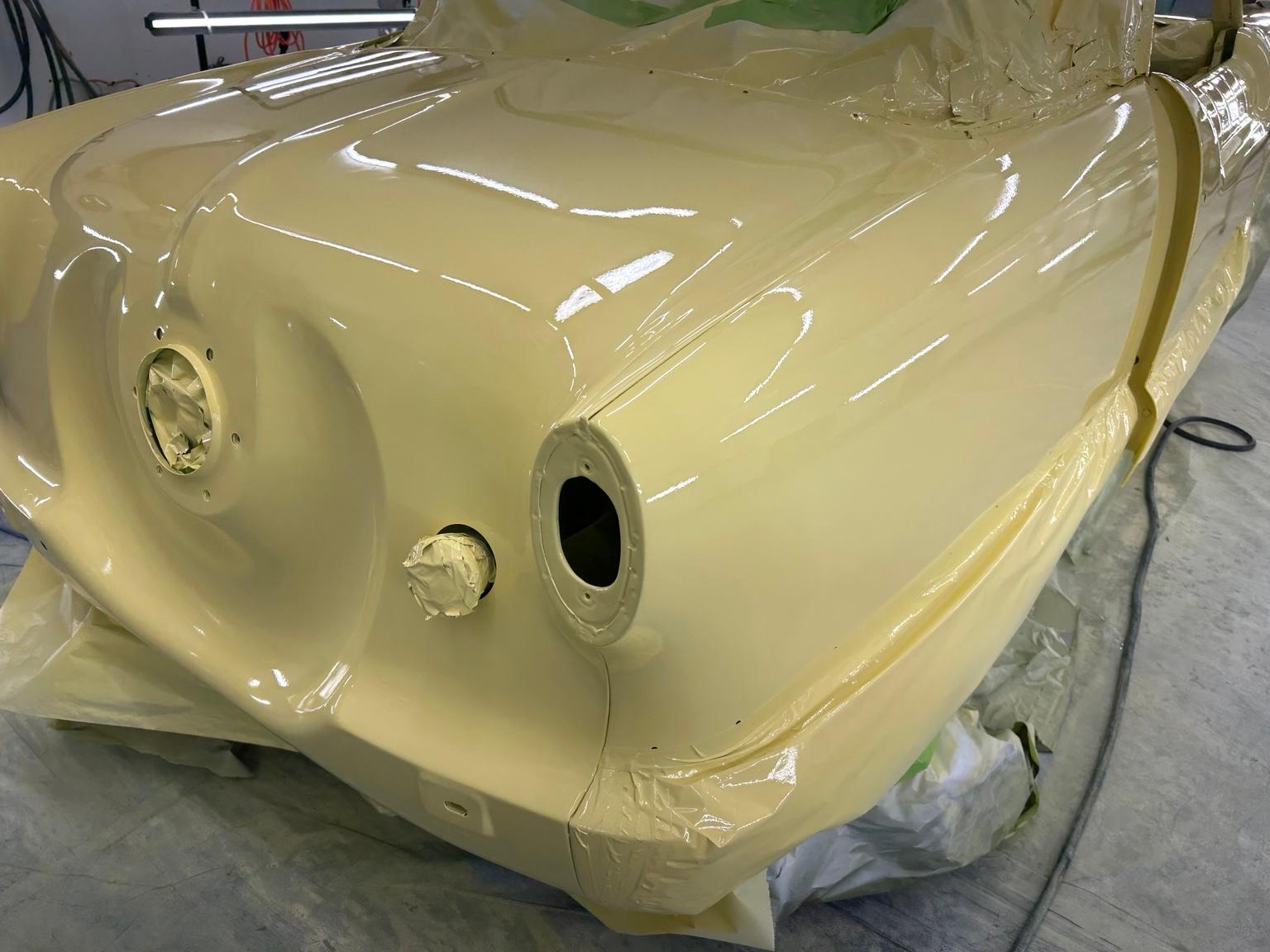
Yellow applied — rear-quarter view
The rear deck and quarter panel show the fresh yellow finish before the lower-body masking is removed.
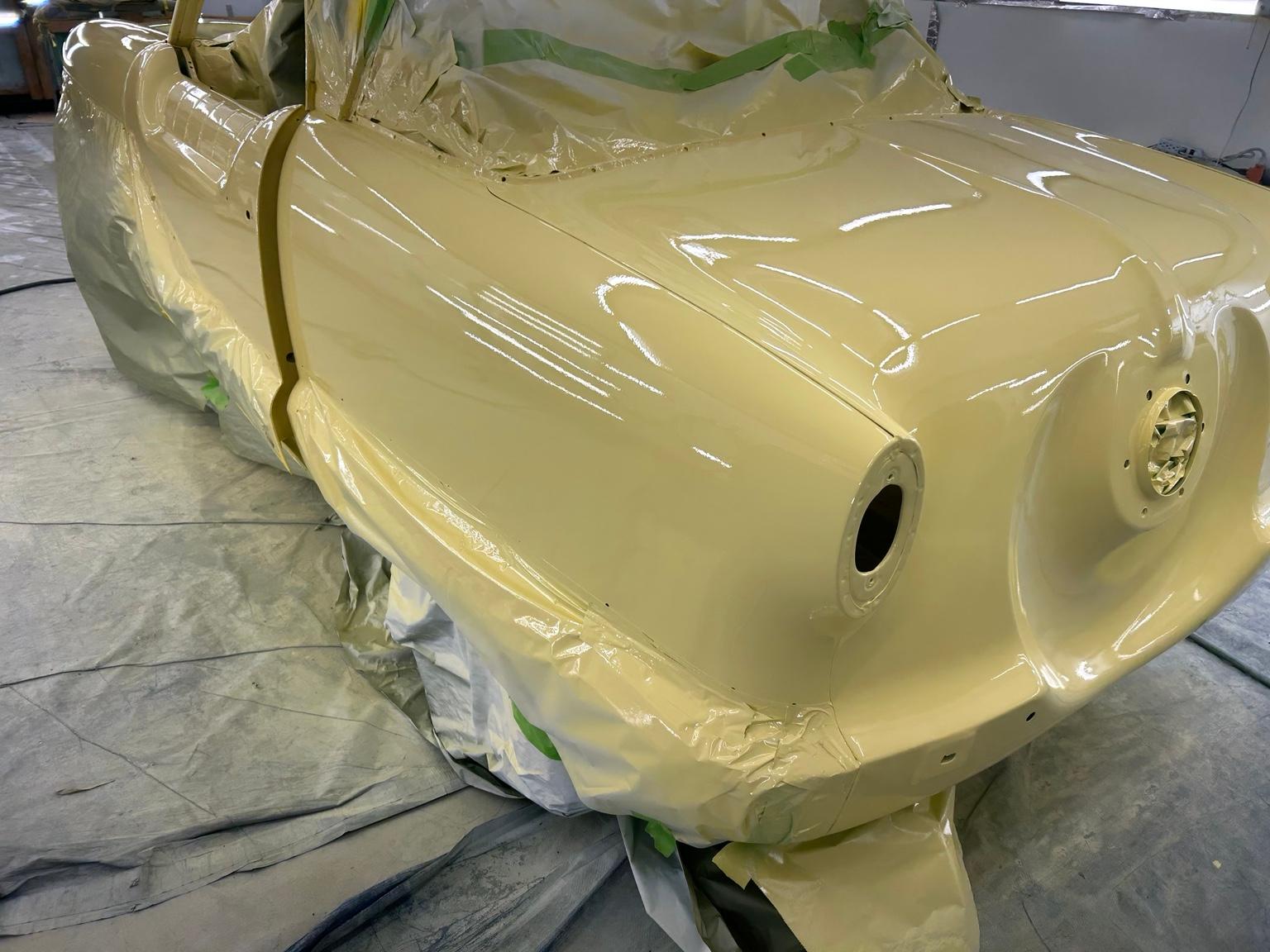
Fresh yellow — opposite rear-quarter view
The opposite rear quarter and rear deck show the yellow color coat before the masked white sections are uncovered.
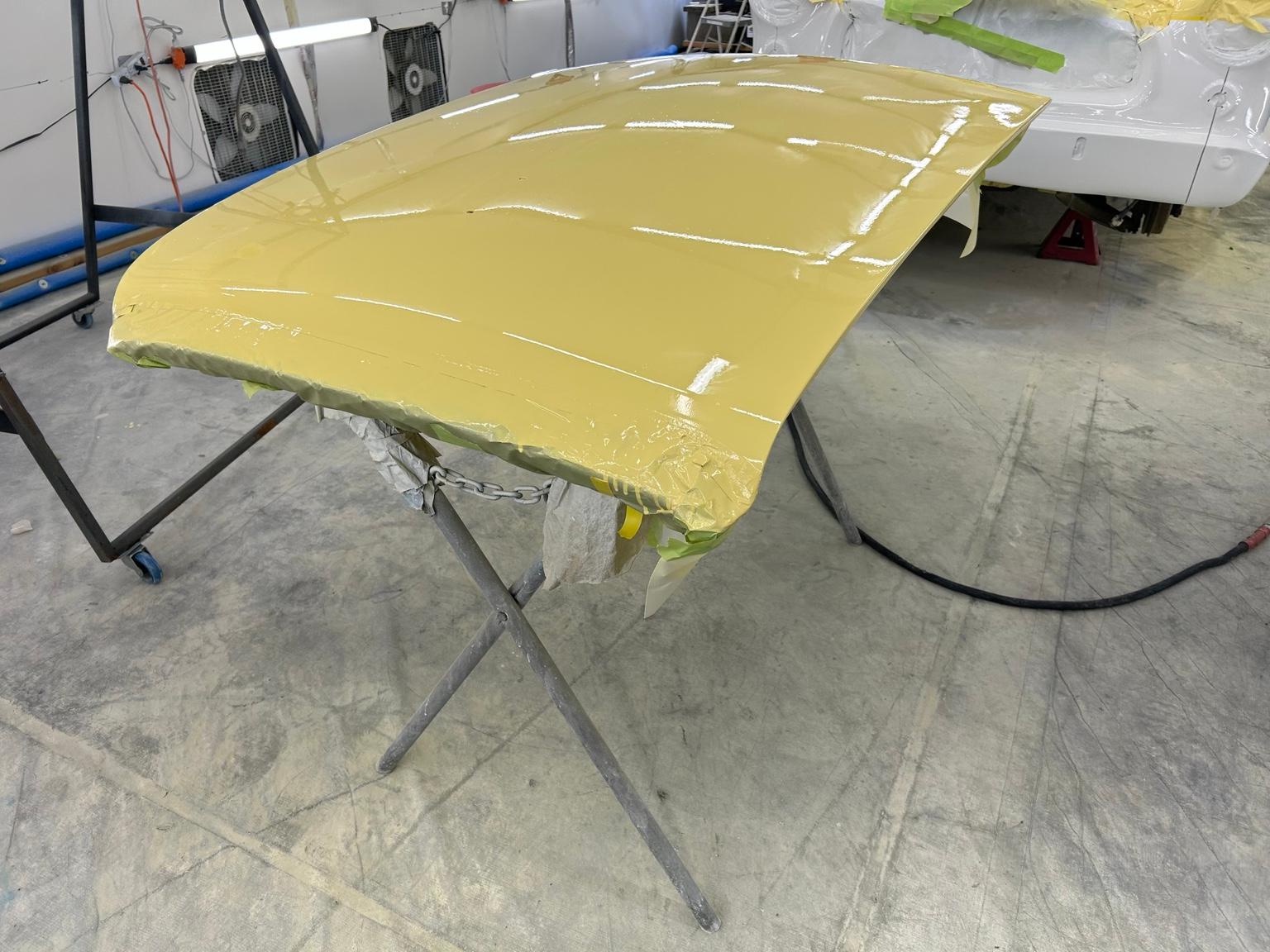
Freshly painted hood — close view
A closer look at the yellow hood captures the gloss and contours before refitting.
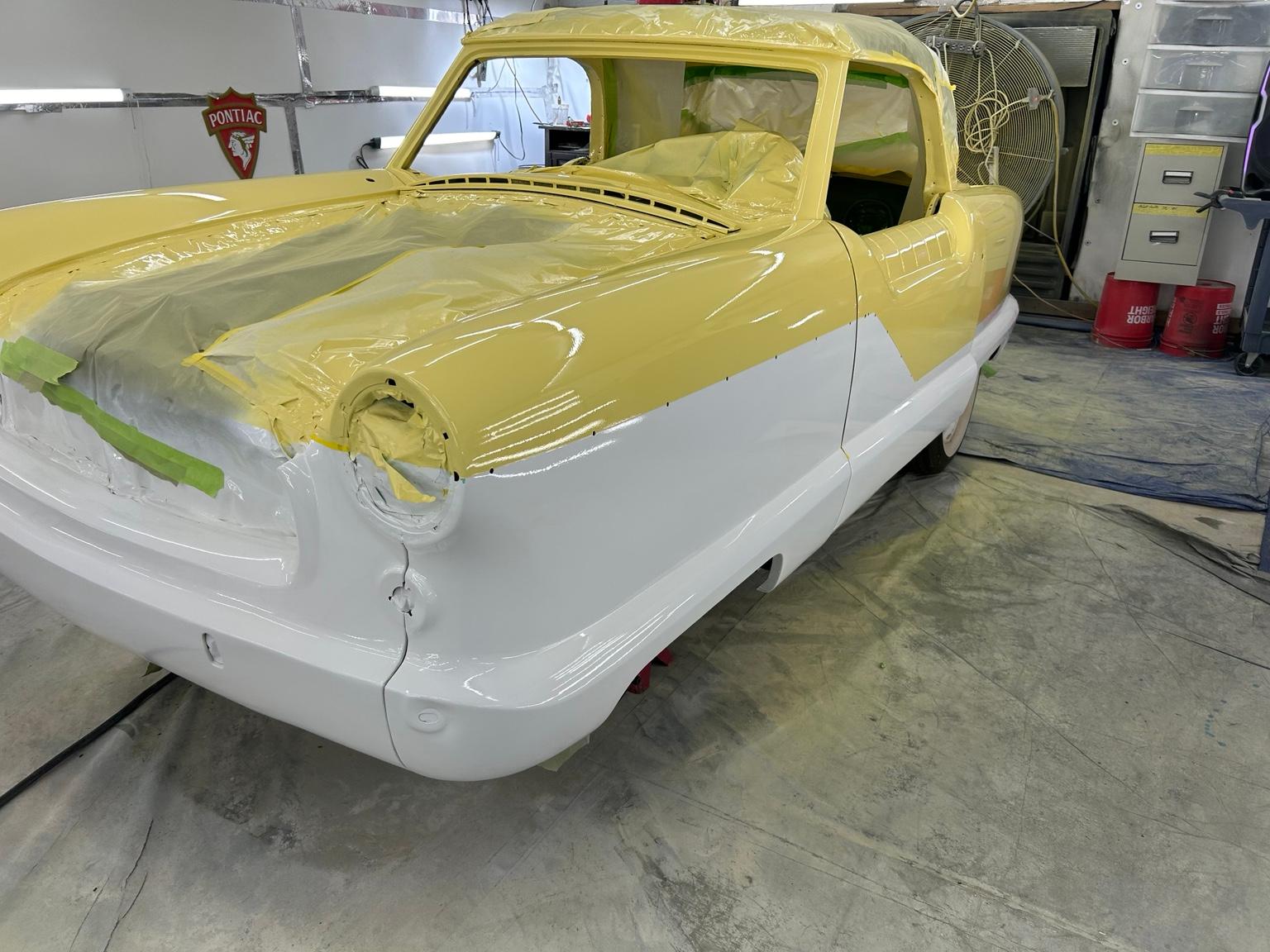
Yellow and white revealed — front view
The two-tone finish is revealed as masking is removed from the white lower body. Glass, lamps and trim still await reassembly.
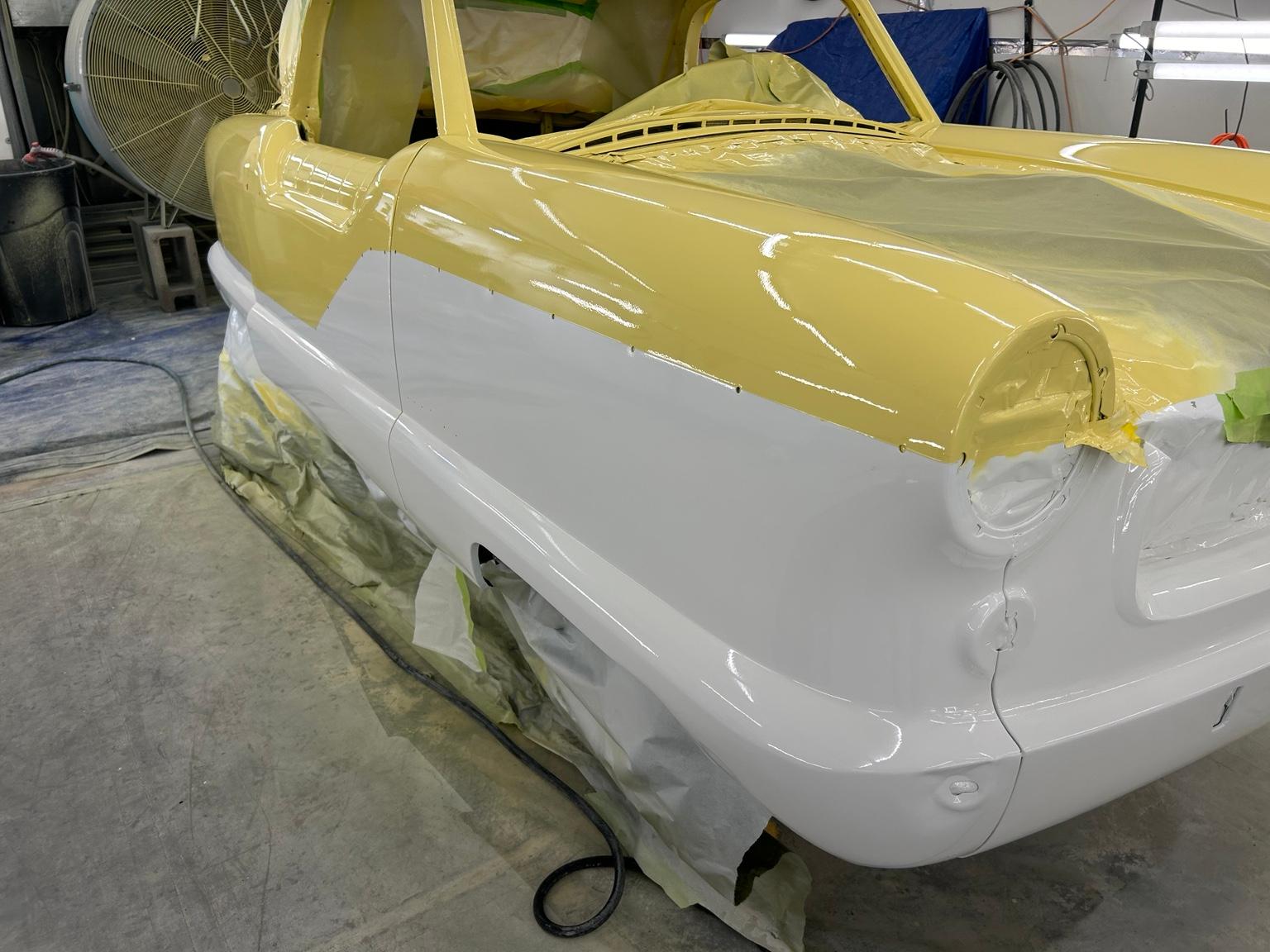
Two-tone reveal — front-fender detail
Yellow upper panels meet the white lower body, showing the color separation and reflections in the fresh paint.
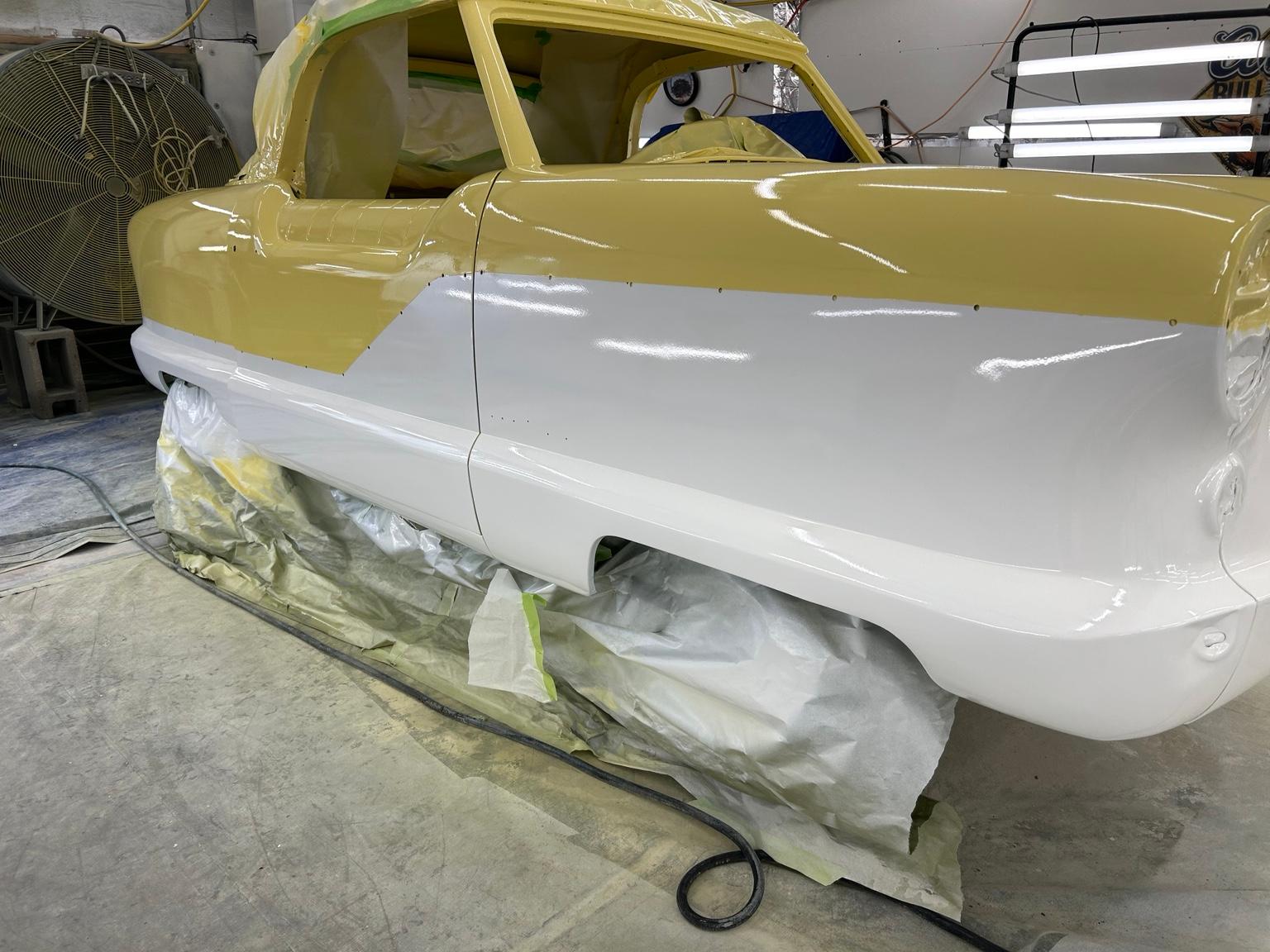
Two-tone reveal — side profile
A side view shows the yellow-and-white paint layout across the fender, door and rear quarter before trim installation.